If you are thinking about buying a condo in Coolidge Corner as an investment, you are probably asking a simple question with a complicated answer: will the numbers work? In this Brookline neighborhood, the appeal is easy to see, but smart investing here is usually about long-term stability and appreciation more than quick monthly cash flow. If you understand what drives demand, where the risks hide, and how condo due diligence works in Massachusetts, you can make a more confident decision. Let’s dive in.
Why Coolidge Corner draws investors
Coolidge Corner sits in Brookline, about four miles from downtown Boston, and offers a mix of residential character and urban convenience. Brookline describes itself as a mature suburban residential community with urban characteristics, supported by strong public transportation and a resident base concentrated in medicine and education.
That mix matters when you are evaluating rental demand. The neighborhood benefits from proximity to Boston University, and BU specifically notes that Coolidge Corner is an easy walk from West Campus, with direct access to other university locations by transit. That helps support a broad renter pool that can include students, faculty, staff, and nearby medical and education professionals.
The everyday convenience also strengthens year-round appeal. BU highlights local retail, restaurants, coffee shops, a movie theater, and an independent bookshop, all of which add to the neighborhood’s livability and rental draw.
What the market says today
Coolidge Corner is not a bargain condo market. As of March and April 2026, Redfin reported 39 condos for sale with a median listing price of $1.2 million, and those homes were typically spending about 20 days on market while receiving four offers.
On the rental side, Zumper showed a median rent of $3,500 per month in Coolidge Corner based on inventory updated May 2, 2026. If you compare that rent to the median condo list price, you get a rough gross yield proxy of about 3.5% before HOA dues, property taxes, insurance, vacancy, and maintenance.
That is the key takeaway for most buyers. Coolidge Corner is better viewed as an appreciation-and-stability investment market than a high-cash-flow market.
Why appreciation matters here
Brookline-wide data supports the same basic story. The Census reports a median value of owner-occupied housing of $1,246,800 and a median gross rent of $2,835.
That price-to-rent relationship suggests modest operating leverage for many small investors. In plain terms, your monthly income may not leave a large cushion once you factor in ownership costs, so your long-term return often depends heavily on how the asset holds value and appreciates over time.
Brookline also shows signs of a stable, high-income housing market. Its latest Census profile includes a 46.9% owner-occupied housing rate, a median household income of $142,101, and a bachelor’s-degree attainment rate of 85.4%.
Supply stays tight for a reason
One reason investors continue to look at Coolidge Corner is limited supply. Brookline’s district plan notes that vacant land is scarce, and new development usually happens on parcels that already have structures.
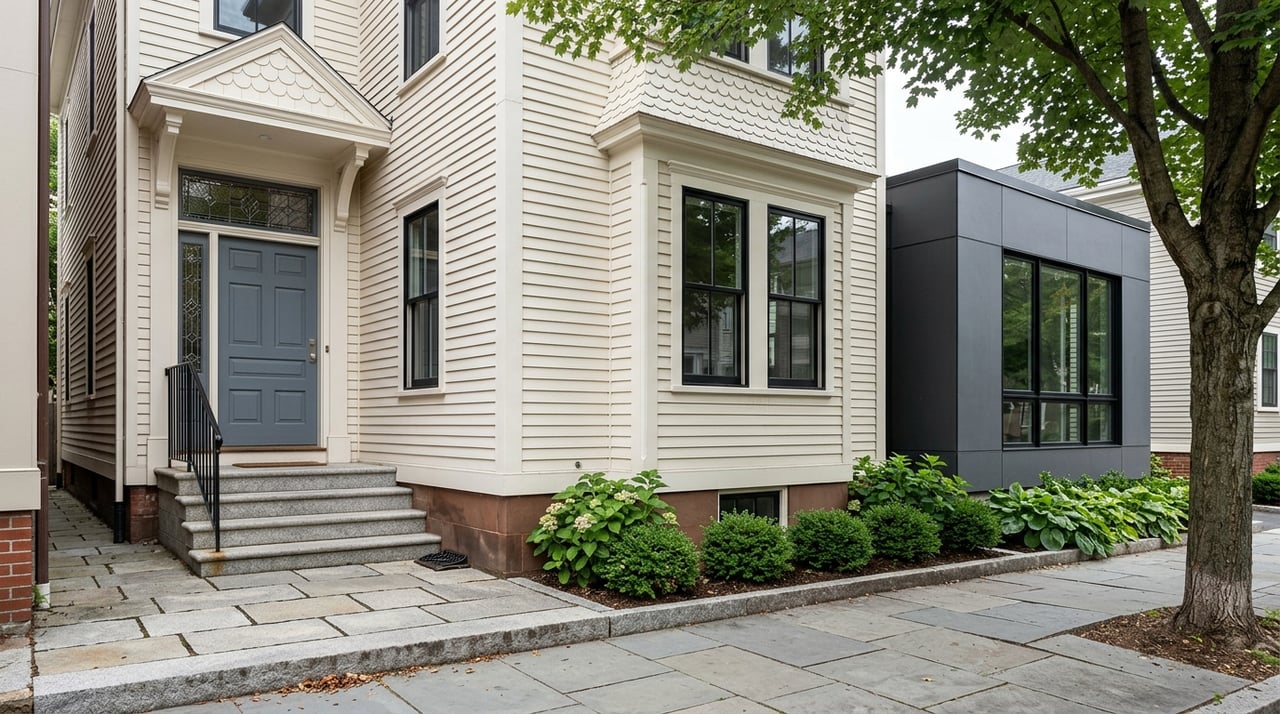
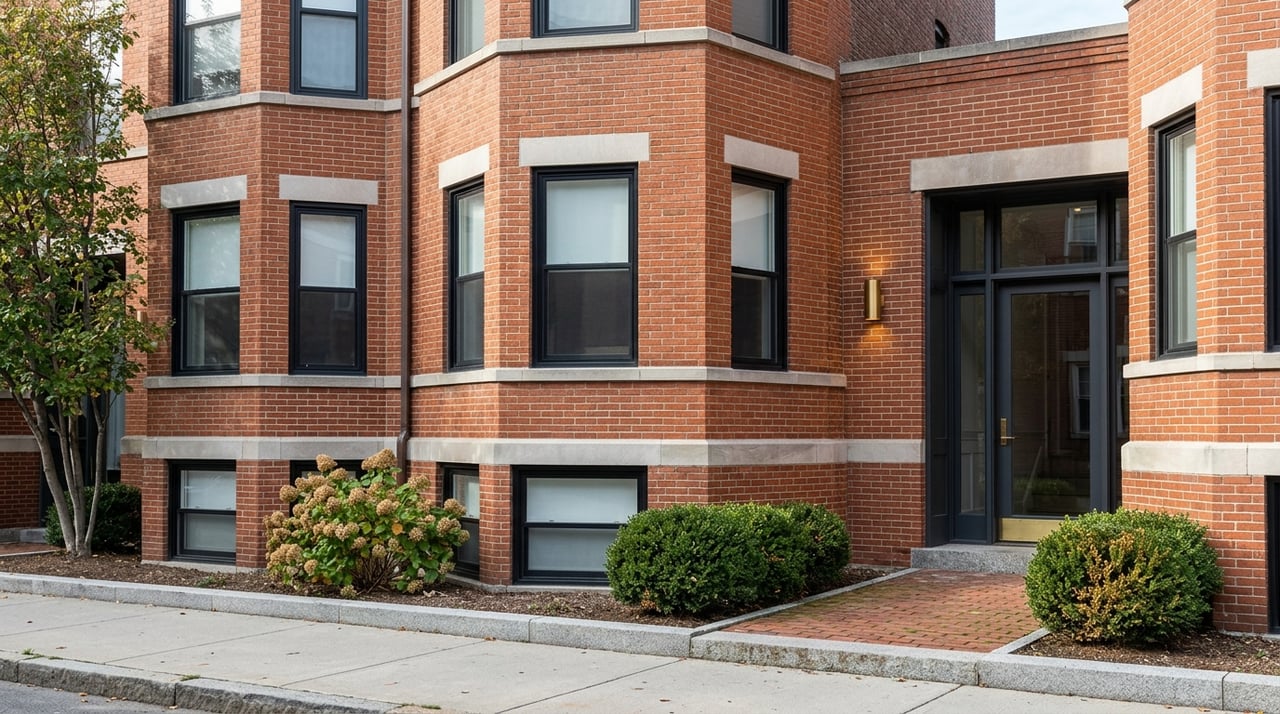
The area’s building stock includes pre-war apartment buildings, condo conversions, and smaller infill projects. Many older multi-unit properties were built before zoning required on-site parking, which still affects how buyers and renters value individual units today.
Brookline’s planning materials also note that existing multi-unit buildings often trade quickly and that pricing can reflect conversion value rather than simple rental economics. That helps explain why condo inventory can remain tight even when affordability feels stretched.
There are also development rules that can affect future supply. Brookline’s inclusionary zoning bylaw requires projects with four or more residential units created through new construction or conversion from a non-residential use to provide affordable units on-site or make a cash contribution to the Brookline Housing Trust.
What makes one condo outperform another
In a neighborhood like Coolidge Corner, small unit differences can have an outsized impact. When pricing is already high and inventory is limited, renters and future buyers often notice details that might matter less in a lower-cost market.
Pay close attention to features like:
- Natural light
- Floor plan efficiency
- Sound insulation
- Renovation quality
- In-unit laundry
- Elevator access
- Storage
- Parking access
A condo that checks more of these boxes may command stronger demand and hold value better. In older building stock, practical livability matters just as much as square footage on paper.
Condo due diligence matters as much as the unit
When you buy a condo as an investment, you are not just buying the apartment. You are also buying into the condominium association, its finances, its rules, and its long-term maintenance decisions.
That is why association review should be one of the most important parts of your process. Fannie Mae notes that lenders evaluate a condo community’s physical condition, financial stability, structural debts, safety, lawsuits, and required inspections.
Before you move forward, ask for clarity on:
- Current HOA fee
- Reserve fund strength
- Planned capital projects
- Any recent or pending special assessments
- Master insurance coverage
- Building maintenance history
- Ongoing litigation, if any
- Whether the building is considered renter-friendly
HOA dues deserve extra attention. Consumer guidance cited in the research report notes that condo fees are usually separate from your mortgage payment and can range from a few hundred dollars per month to more than $1,000 per month.
For an investor, that is not a side note. It is a core carrying cost that can significantly affect your monthly numbers.
Rental rules are building-specific
One of the easiest mistakes investors make is assuming rental rules are the same across a neighborhood. In Massachusetts, condo ownership and use are governed by the master deed and bylaws, and those documents can include building-specific restrictions.
That means policies on rental caps, minimum lease terms, and owner-occupancy requirements may vary from one building to the next. Two condos on the same block can have very different investment flexibility.
This is especially important if your investment plan depends on leasing quickly or keeping future exit options open. You want to understand the rules before you commit, not after closing.
Short-term rental plans face strict local rules
If you are considering a short-term rental strategy, you need to look carefully at Brookline’s local requirements. According to the town, short-term rentals must be registered and inspected, and the operator must prove primary-residence status.
The unit also must comply with zoning and local code. Brookline further notes that tenants remain subject to condo bylaws and private lease terms.
For many condo investors, that means short-term rental use may not fit the property or the building’s governing documents. If that is part of your plan, verify every step of the rules early.
Parking can affect both rent and resale
Parking is a real issue in Coolidge Corner, not just a lifestyle preference. Brookline’s district plan notes an overnight parking ban, and the town has also been studying local parking and curb use, including future demand, shared parking, pricing, and pedestrian access.
The same plan notes that 257 of Brookline’s 309 town-owned overnight parking spaces are in Coolidge Corner. That shows how central parking management is to daily life in the area.
For investors, this means a deeded or dependable parking option can strengthen a condo’s appeal. Even in a transit-served neighborhood, parking can influence tenant demand, carrying convenience, and resale value.
Transit supports long-term demand
Transit remains one of the strongest long-term arguments for investing in Coolidge Corner. Brookline says the MBTA serves the town via the C and D branches of the Green Line, connecting residents to Boston and nearby employment centers.
The town is also coordinating on C-Branch accessibility improvements along Beacon Street, including high-level platforms, ramps, and compliant crossings. Improvements like these can reinforce the neighborhood’s usefulness and value over time.
For many renters, especially those connected to education, medicine, and downtown employment, reliable transit access is a major reason to choose this location in the first place.
Is a Coolidge Corner condo a good investment?
For the right buyer, yes, but usually for specific reasons. Coolidge Corner can make sense if you want to own in a high-demand Brookline location with durable renter appeal, limited supply, and strong long-term fundamentals.
It may be less attractive if your primary goal is immediate cash flow. At current pricing, many properties will require careful underwriting once you account for HOA fees, taxes, insurance, vacancy, and maintenance.
A smart investment purchase here often comes down to selecting the right building, understanding the condo documents, and focusing on unit features that help preserve demand. In this neighborhood, the details matter.
If you are weighing a condo purchase in Coolidge Corner, working with someone who knows Brookline block by block can help you compare not just prices, but the real investment tradeoffs behind them. To talk through your options with a local expert, connect with Eileen Strong O'Boy.
FAQs
Is Coolidge Corner a cash-flow investment market?
- Usually not first and foremost. Based on current median pricing and rent levels in the research report, Coolidge Corner is better understood as an appreciation-and-stability market than a high-cash-flow market.
What type of renters are common in Coolidge Corner?
- Likely renter groups include people connected to Boston University, along with medical and education workers who value the neighborhood’s location, transit access, and daily amenities.
Do condo buildings in Coolidge Corner allow rentals?
- It depends on the building. In Massachusetts, rental caps, lease minimums, and other use restrictions are typically set by the condominium’s master deed and bylaws.
How important are HOA fees when buying a Coolidge Corner condo?
- Very important. HOA fees are a major carrying cost and should be part of your investment analysis from the start, especially in a market where gross yields may already be compressed.
Does parking matter for a Coolidge Corner investment condo?
- Yes. Brookline’s overnight parking rules and broader parking constraints can make parking access an important factor for tenant appeal and future resale.
Can you use a Coolidge Corner condo as a short-term rental?
- You need to verify both local rules and condo rules. Brookline requires registration, inspection, proof of primary residence, and compliance with zoning and code, and condo bylaws may also limit this use.