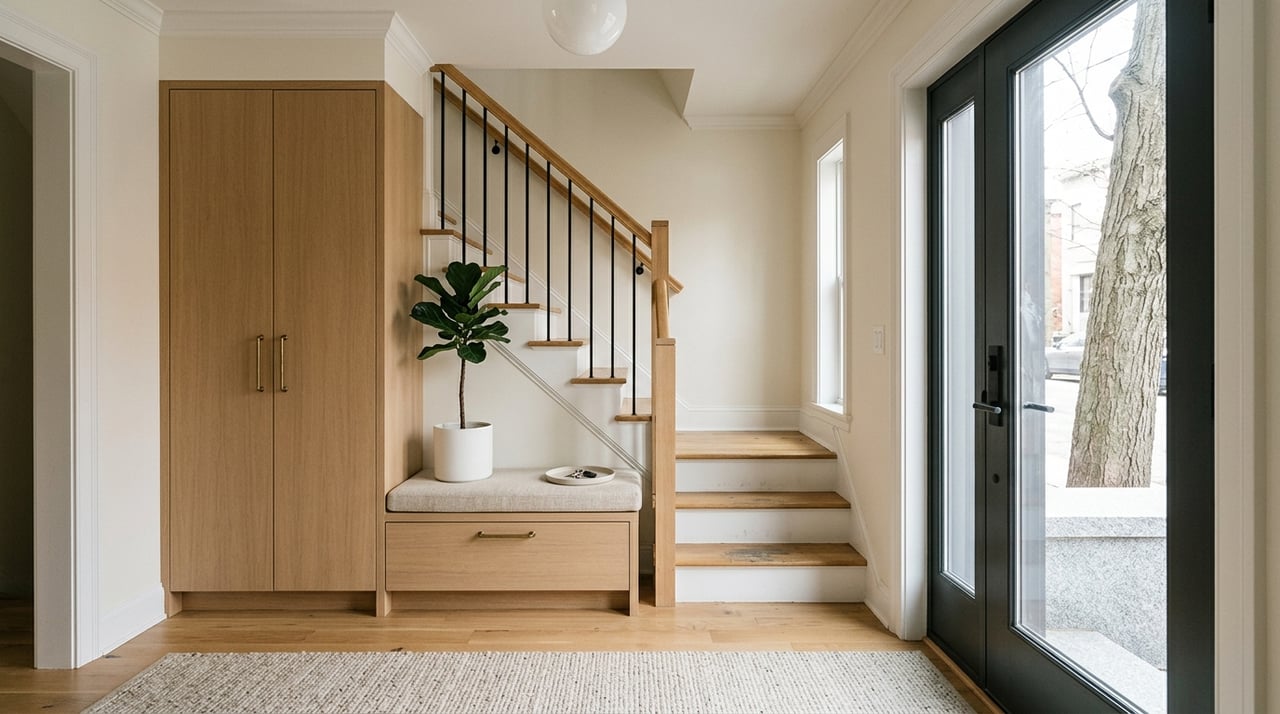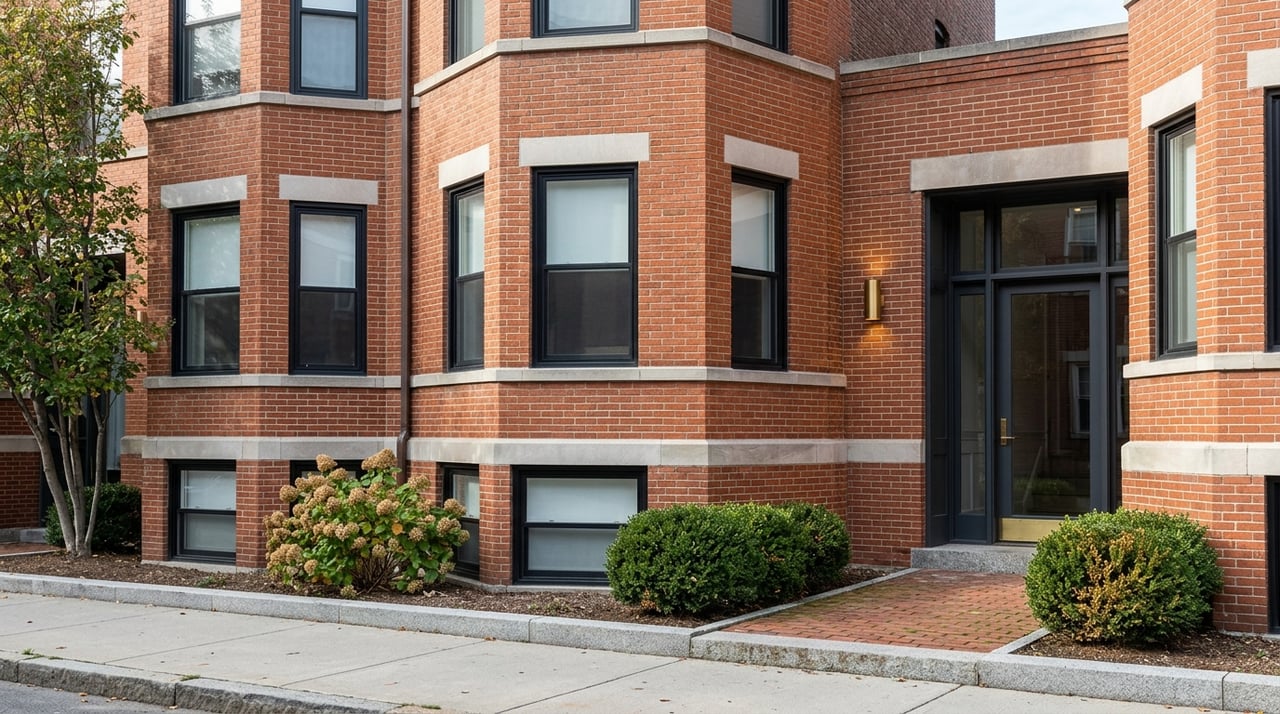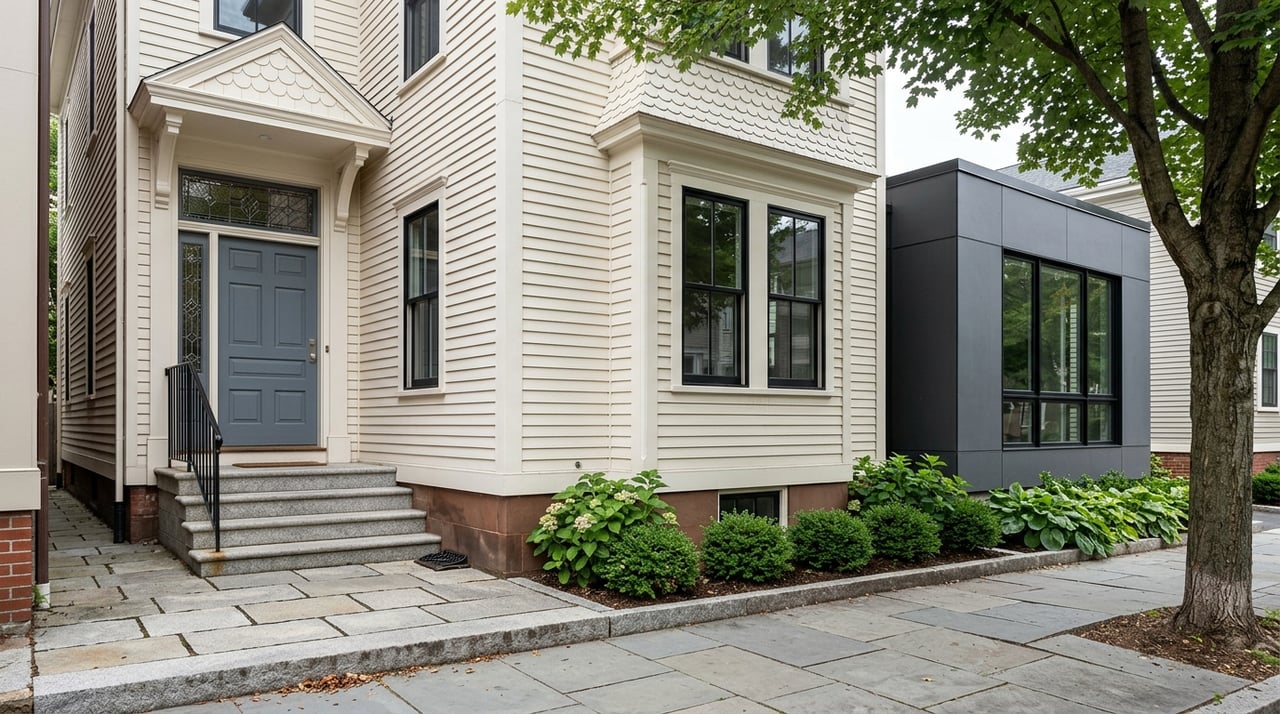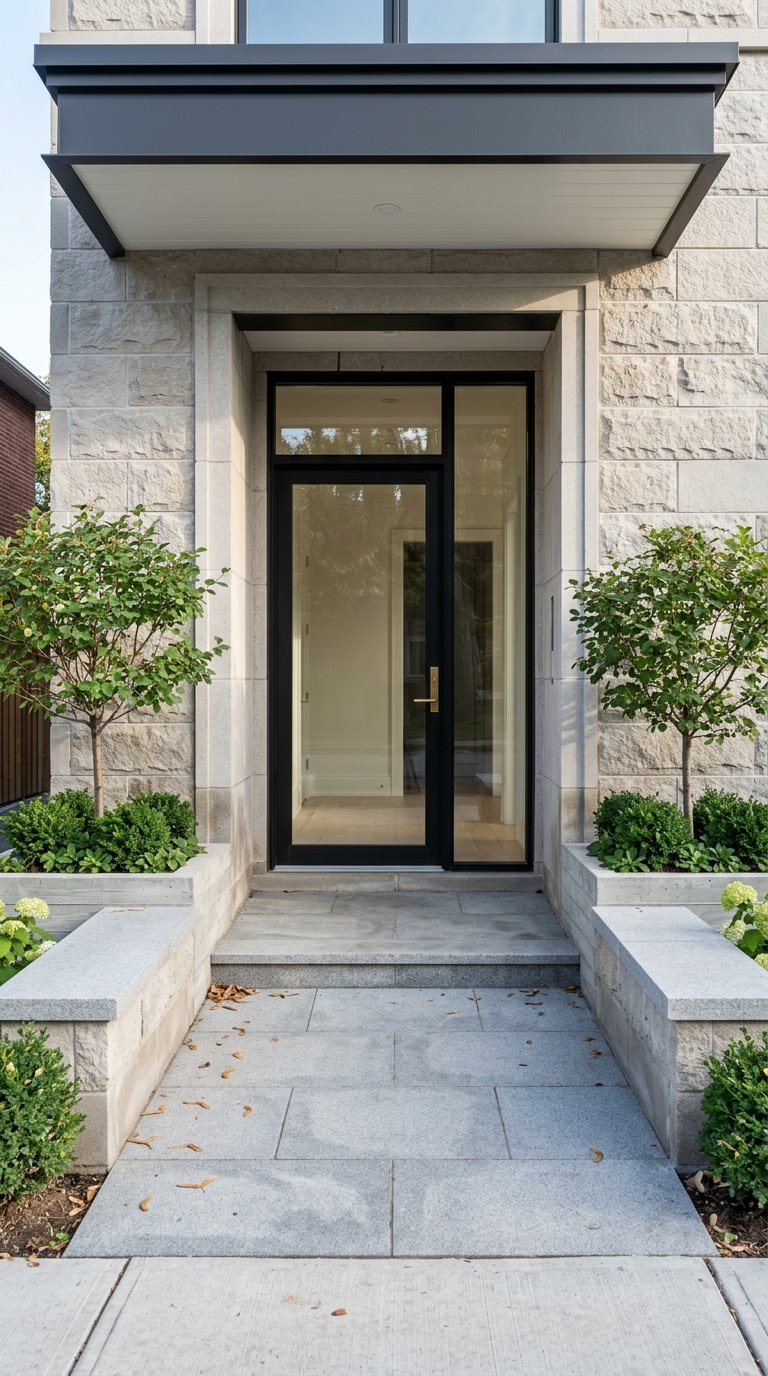
If you are deciding between a condo and a single-family home in Chestnut Hill, you are really choosing between two very different ways of living. In a neighborhood known for its historic character, wooded setting, and premium housing stock, that choice can shape your monthly costs, maintenance responsibilities, privacy, and long-term flexibility. This guide walks you through the tradeoffs so you can compare both options with more confidence. Let’s dive in.
Chestnut Hill at a glance
Chestnut Hill has a distinct identity within the Boston area. According to the Brookline Historical Society, the area historically spans Brighton, Brookline, and Newton, and it developed with large wooded lots and architecturally distinctive homes.
The Newton portion is still described by the city as having a rural neighborhood character with prominent period homes and estate-style development patterns. You can see that history reflected in today’s housing options, where condos make up a smaller segment and detached homes dominate the upper end of the market, as noted in Redfin’s Chestnut Hill market snapshot.
Price gap between property types
One of the clearest differences in Chestnut Hill is price. Current inventory shows a meaningful gap between entry points for condos and single-family homes.
Redfin’s condo page shows just 3 condos for sale, with current units listed at about $835K and $899.9K. In contrast, the broader Chestnut Hill homes page shows 20 homes for sale, while the luxury homes page shows 19 luxury homes at a median listing price of $2.29M.
That does not automatically make condos the better value or single-family homes the better investment. It simply means the financial starting point is usually much lower for a condo, while detached homes typically command a premium because of land, size, privacy, and scarcity.
What condo living offers
For many buyers, a condo offers a more manageable way to enter Chestnut Hill. If you want a simpler day-to-day routine, shared services, and a more lock-and-leave lifestyle, a condo may feel like the easier fit.
Redfin reports that most Chestnut Hill condos stay on the market about 22 days and receive about 1 offer, and it classifies the area as moderately walkable with a Walk Score of 52. That combination can appeal if you want a lower-maintenance home base in a high-demand location.
Condo costs go beyond the list price
The biggest mistake condo buyers make is focusing only on the purchase price. In Chestnut Hill, HOA fees can materially affect your monthly carrying cost.
Recent condo records on Hammond Pond Parkway show HOA fees of roughly $600 to $799 per month. Based on those listings, fees may cover heat, water, sewer, insurance, structural and grounds maintenance, snow removal, trash, reserve funds, and amenities such as a pool, elevator, fitness center, tennis courts, and security.
That is why you should compare the full monthly picture, including mortgage, taxes, insurance, and HOA dues. A condo with a lower purchase price can still feel more expensive month to month than expected if the fee structure is significant.
Condo documents matter
With condos, part of your due diligence happens at the building level, not just the unit level. Fannie Mae’s condo guidance recommends reviewing what the HOA fee includes and whether special assessments may apply.
Massachusetts condo rules also make clear that condo documents govern maintenance and repair obligations, insurance requirements, common expenses, reserve funds, and assessment rules. In practical terms, you want to understand not just what you are buying inside the unit, but how the association is run and funded.
What single-family homes offer
If a condo is often about convenience, a single-family home in Chestnut Hill is usually about control, space, and setting. The neighborhood has long been associated with large lots, private estates, and architect-designed homes, as described by the City of Newton’s history of Chestnut Hill.
That appeal remains a major part of the market today. Current listings on Redfin include detached homes priced around $2.1M, $2.15M, $3.699M, and $4.295M, which reinforces how strongly land and house scale influence pricing in this area.
More privacy, more responsibility
The lifestyle benefit of a single-family home is straightforward. You generally have more privacy, more outdoor space, and more freedom to make changes without condo association oversight.
The tradeoff is equally clear. Instead of sharing building expenses through an HOA, you are typically responsible for maintenance and capital repairs yourself. Based on the ownership structure outlined by Fannie Mae’s HOA overview, that means roof work, exterior upkeep, systems, drainage, and lot maintenance are more directly your responsibility.
How to compare lifestyle fit
The right choice often comes down to how you want to live, not just what you can afford. Both property types can make sense in Chestnut Hill, but they serve different priorities.
A condo may fit if you want:
- A lower entry price in Chestnut Hill
- Less day-to-day exterior maintenance
- Shared amenities or building services
- A simpler lock-and-leave setup for travel or busy schedules
- More predictable shared handling of common-area repairs
A single-family home may fit if you want:
- More indoor and outdoor space
- Greater privacy
- More control over design changes and renovations
- A larger lot or estate-style setting
- No HOA oversight for house-level decisions
This is where local context matters. In Chestnut Hill, detached homes are tied closely to the area’s historic estate pattern, while condos represent a smaller subset of inventory. That means your choice is not just about ownership style. It is also about which version of Chestnut Hill you want to experience.
Resale factors to watch
Resale is worth thinking about before you buy, especially in a premium market with limited inventory. The value drivers are not identical for condos and single-family homes.
For condos, resale can depend heavily on association health, reserve funding, fee levels, special assessments, and whether the building remains financeable. Fannie Mae specifically points buyers toward HOA fees and potential assessments as part of condo due diligence.
For single-family homes, resale in Chestnut Hill is often tied more directly to lot size, condition, architecture, and the scarcity of well-located land. In a neighborhood defined by estate-style homes and mature settings, those factors can carry real weight.
A practical buyer checklist
Before you decide, it helps to evaluate each option through a practical lens rather than an emotional one.
If you are considering a condo
- Compare the list price with the full monthly carrying cost
- Review the HOA budget and reserve funding
- Ask whether any special assessments are planned or possible
- Confirm what the monthly fee actually covers
- Read the condo documents carefully before moving forward
If you are considering a single-family home
- Budget for roof, exterior, systems, and drainage upkeep
- Look closely at lot maintenance needs
- Evaluate the condition of major components before you buy
- Consider how much privacy and outdoor space matter to you
- Think about whether you want full control over future renovations
Which option makes sense in Chestnut Hill?
There is no one-size-fits-all answer. A condo can be a smart fit if you want a more accessible price point, shared services, and less hands-on upkeep. A single-family home can be the better match if you value space, privacy, land, and long-term flexibility.
In Chestnut Hill, that decision matters even more because the housing stock is so distinctive. You are choosing between two very different ownership experiences in a neighborhood where history, architecture, and scarcity all shape the market.
If you want help comparing specific condos and single-family homes in Chestnut Hill, Eileen Strong O'Boy can help you weigh the numbers, the lifestyle tradeoffs, and the local market context so you can move forward with clarity.
FAQs
What is the main price difference between Chestnut Hill condos and single-family homes?
- Current inventory shows condos at a much lower entry point, with units listed around $835K and $899.9K, while Chestnut Hill luxury homes show a median listing price of about $2.29M.
What should buyers review before purchasing a Chestnut Hill condo?
- You should review the HOA fee, what it covers, the association budget, reserve funding, condo documents, and whether any special assessments may apply.
Why do Chestnut Hill single-family homes cost more than condos?
- Detached homes in Chestnut Hill typically command a premium because they offer land, privacy, larger living areas, and a housing style tied to the neighborhood’s historic estate character.
Are HOA fees common for Chestnut Hill condos?
- Yes. Recent condo records on Hammond Pond Parkway show HOA fees of roughly $600 to $799 per month, with coverage that may include utilities, maintenance, insurance, reserves, and amenities.
How should buyers choose between a condo and a single-family home in Chestnut Hill?
- You should compare your budget, desired maintenance level, need for privacy and space, comfort with HOA rules, and how much flexibility you want over future changes to the property.