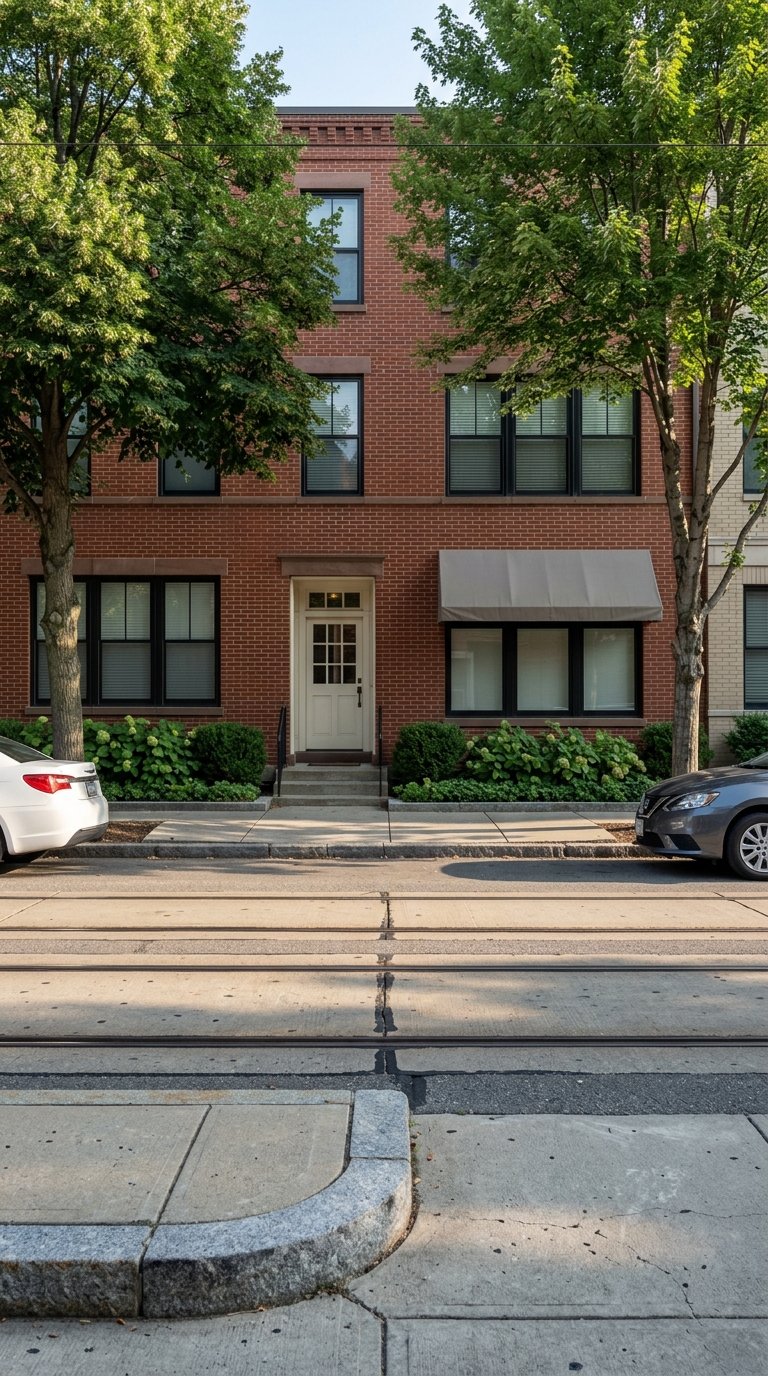
If you are thinking about selling a condo in Washington Square, you are stepping into a market where details matter. Buyers are often drawn to the neighborhood’s village feel, access to the MBTA Green Line C branch, and the ease of daily life nearby, but they are also comparing listings carefully. The good news is that a well-prepared sale can stand out for all the right reasons. This step-by-step guide walks you through how to prepare, price, market, and close your Washington Square condo with fewer surprises. Let’s dive in.
Understand the Washington Square condo market
Washington Square offers a distinct mix of local shops, transit access, and established neighborhood identity that many buyers value. Brookline planning materials identify both Washington Square and Tappan Street as Green Line C branch stops in the area, and the town also recognizes an active Washington Square business district.
That local appeal supports strong pricing, but it does not mean every condo will sell quickly without a plan. Public market snapshots show a premium submarket, with Realtor.com reporting a Washington Square median listing price of $1.315 million and a median 39 days on market. At the broader town level, Brookline was identified as a buyer’s market in March 2026, which makes careful pricing and strong presentation especially important.
Redfin’s Brookline condo snapshot also points to an active but selective environment, showing 112 condos for sale, a median listing price of $977,000, typical time on market of 23 days, and about two offers on average. While numbers vary by source, the message is consistent: buyers are active, but they expect value, condition, and clarity.
Start with your condo documents
One of the first steps in selling a Massachusetts condo is gathering the right documents. Condominiums in Massachusetts are governed by the master deed, individual deed, bylaws, and Chapter 183A. The state also notes that it does not regulate condo associations, which makes your building documents and association records especially important in a sale.
A key seller document is the association statement of unpaid common expenses and other assessed sums, often called the 6(d) certificate. Under Massachusetts law, the association must provide it within 10 business days after a written request, and the statement is binding on the association. That timeline alone is a good reason to request condo documents early rather than waiting until you are under agreement.
This is also the right time to collect practical building information a buyer will want to review. That can include current condo fees, reserve information, and any recent or planned assessments reflected in the association records. Having these items ready from the start helps reduce delays later.
Prepare your condo for the market
In a selective market, presentation is part of the strategy. Buyers in Washington Square are often comparing location, transit access, layout, monthly carrying costs, and overall condition at the same time. A polished first impression can make your condo easier to understand and easier to trust.
A strong pre-listing plan often includes:
- Decluttering main living areas
- Completing minor repairs
- Deep cleaning the unit
- Refreshing key surfaces if needed
- Scheduling professional photography before launch
These steps are not legal requirements, but they can help your listing compete more effectively. For a neighborhood like Washington Square, where buyers may already be paying close attention to lifestyle and convenience, a white-glove presentation can reduce friction from the very first showing.
Know Massachusetts disclosure rules
Massachusetts handles seller disclosure differently from some other states. Outside of lead-paint issues, the state does not use a broad seller disclosure form, and state guidance says a residential seller’s only affirmative disclosure obligation is lead paint.
That does not mean preparation is less important. It means your condo’s condition, paperwork, and inspection process carry even more weight during the transaction. Buyers and their representatives are likely to focus closely on the documents and property details they can review.
If your condo was built before 1978, lead-paint rules are especially important. Massachusetts requires sellers and agents to provide the Property Transfer Lead Paint Notification before signing a purchase and sale agreement, along with disclosure of known lead information for qualifying homes. If your building or unit falls into that age range, this should be addressed early in the process.
Price your condo carefully
Pricing is one of the most important decisions you will make. In a market where Washington Square commands premium attention but Brookline overall has shown buyer-friendly conditions, overpricing can slow momentum.
A smart pricing strategy usually looks beyond broad town averages and focuses on comparable condo sales, building factors, condition, and location within the neighborhood. A unit near the Green Line, with polished presentation and a clean condo document package, may attract stronger interest than a similar unit that feels harder to evaluate.
The goal is not simply to aim high. The goal is to position your condo so that buyers see the value quickly and feel confident taking the next step.
Launch with strong marketing and showings
Once your condo is ready, the listing launch should make the home easy to experience and easy to remember. High-quality photography is especially important for condos, where buyers often compare finishes, natural light, layout efficiency, and common spaces online before booking a showing.
Showings are part of the standard Massachusetts sale sequence, which generally moves from listing to showings, offer and acceptance, purchase and sale agreement, inspection, financing and appraisal, title search, and closing. For condo sellers, this means your marketing should do more than generate traffic. It should support a smooth path into the next steps.
In Washington Square, buyers are often weighing the neighborhood itself alongside the unit. They may be drawn to the local commercial district, transit stops, and the convenience of the area, but they still need confidence in the condo’s condition and association details. Good preparation gives them fewer reasons to hesitate.
Be ready for offers and inspection timing
When offers come in, the strongest one is not always just the highest number. Timing, financing, contingencies, and the buyer’s overall readiness all affect how smoothly your sale may proceed.
Inspection timing is especially important in Massachusetts right now. The state requires the Mandatory Residential Home Inspection Disclosure to be provided before or at the first written contract for residential buildings, including condominium units in buildings of any size. The law also protects the buyer’s ability to choose a licensed home inspector, and contract language cannot make the inspection meaningless.
In practical terms, sellers should expect the inspection step to remain part of the process. That makes early preparation even more valuable. If your condo is clean, well maintained, and well documented, you are in a better position to move through inspection and negotiation with fewer disruptions.
Plan for closing requirements early
Closing a Massachusetts condo sale involves more than signing final papers. The transaction includes title search and settlement coordination, and condo closings also require the association’s 6(d) certificate.
You will also need to plan for the smoke and carbon monoxide alarm compliance certificate. Massachusetts says sellers should schedule the local fire department inspection as soon as they have a closing date in sight, because the certificate is issued only after the alarms pass inspection. Waiting too long on this step can create a last-minute delay.
If your condo sale price is high enough, state tax paperwork may also come into play. Massachusetts imposes a deeds excise of $2.28 per $500 of consideration in most counties. For sales with a gross price of $1,000,000 or more, each seller must complete a Transferor’s Certification for withholding purposes before closing.
For some sellers, additional withholding obligations may apply, particularly for nonresident sellers or entities without a continuing Massachusetts presence. This is another reason it helps to think several steps ahead once your condo is listed.
Work backward from your closing date
One of the simplest ways to stay organized is to work backward from the closing date. Several required items follow a timeline, and they do not all happen automatically.
A practical checklist includes:
- Request condo association documents and the 6(d) certificate early
- Prepare lead-paint documents if the property was built before 1978
- Provide the required home inspection disclosure at the proper stage
- Schedule smoke and CO inspection once the closing date is in view
- Confirm final closing and recording logistics in advance
This kind of planning helps you avoid preventable delays. It also creates a smoother experience for buyers, which can help keep the transaction on track.
Why preparation matters in Washington Square
Selling a Washington Square condo is rarely just about putting a price on the unit and waiting for offers. In this neighborhood, buyers are often making thoughtful comparisons about location, transit, paperwork, monthly costs, and overall presentation.
That is why the strongest seller strategy usually combines three things: clear pricing, polished presentation, and organized documentation. When those pieces come together, your condo is easier for buyers to evaluate and easier for the transaction to move forward.
If you are getting ready to sell, the right guidance can make each step feel more manageable. For a tailored plan built around your condo, your timing, and your goals, reach out to Eileen Strong O'Boy.
FAQs
What makes selling a Washington Square condo different from selling elsewhere in Brookline?
- Washington Square offers a distinct mix of local business activity, village-center feel, and Green Line C branch access, so buyers may weigh neighborhood convenience very closely along with the condo’s condition and documents.
What condo documents do you need when selling a condo in Massachusetts?
- Sellers should gather key association records early, including the 6(d) statement of unpaid common expenses and other assessed sums, along with relevant fee, reserve, and assessment information.
What disclosures are required when selling a Brookline condo?
- Massachusetts generally does not require a broad seller disclosure form, but lead-paint disclosure rules apply to qualifying pre-1978 homes, and the required home inspection disclosure must also be provided at the proper contract stage.
When should you request the 6(d) certificate for a Massachusetts condo sale?
- You should request it early because the condo association has up to 10 business days after a written request to furnish the statement.
Do you need a smoke and CO certificate to sell a condo in Brookline?
- Yes. Massachusetts requires a smoke and carbon monoxide alarm compliance certificate, and sellers should schedule the local fire department inspection as soon as a closing date is in sight.
How should you prepare a Washington Square condo before listing it?
- A strong pre-listing plan often includes decluttering, light repairs, deep cleaning, and professional photography so the condo shows well in a competitive, selective market.