What if your weekly routine did not depend on a car? In Brookline Village and the nearby streets, many people already get to work, run errands, and meet friends by foot, train, or bike. If you want a simpler commute and fewer parking headaches, this guide shows you how car-free living really works here. You’ll find the best ways to get around, where to shop and unwind, and honest tradeoffs to consider before you move. Let’s dive in.
Why Brookline Village works without a car
Brookline Village is one of the Boston area’s easiest places to live car-free. Its compact center, steady MBTA Green Line service, and everyday shops let you handle most trips without driving. The neighborhood rates highly on walkability, transit, and biking, which you can see on the area’s Walk Score overview.
You’ll find the transit spine right in the middle of the action. The Green Line D branch stops at Brookline Village station beside Station Street and Harvard Street, putting trains a short walk from most addresses in the core. Cafés, small markets, and parks sit close by, so your daily rhythm can stay local.
Green Line and your daily commute
Brookline Village station, D branch
The D branch of the Green Line serves Brookline Village from a surface station by Station Street. Inbound trains link you to Longwood, Fenway, Kenmore, and downtown with straightforward transfers along the Green Line. For stop details, maps, fares, and service alerts, use the MBTA’s Brookline Village station page.
When to use the bus network
While the Green Line covers most inner-core trips, MBTA bus routes add handy crosstown links when a direct train transfer is not ideal. Town materials outline which routes serve major Brookline corridors and connect you to nearby commercial centers. For a quick overview of options and how to reach Brookline by transit, see the Town’s Getting to Brookline page.
Plan around service changes
Like any urban system, the MBTA schedules maintenance and occasionally runs shuttle buses during track work. Before big appointments, check the MBTA’s station page and trip planner for current alerts and timing. Building this habit keeps your commute predictable without a car.
Biking, Bluebikes, and easy connections
The Town’s Green Routes bike network
Brookline’s Green Routes plan maps current lanes, protected corridors, and proposed connections so you can choose lower-stress cycling streets. It is the Town’s guide for where biking feels most comfortable and where improvements are planned. Review the network in the Green Routes Master Network Plan before you pick a route or evaluate a listing.
Low‑stress paths in the Emerald Necklace
For exercise or a calm ride to nearby neighborhoods, follow the Riverway and Olmsted Park paths, part of the Emerald Necklace that ties Brookline Village to Longwood, Fenway, and Jamaica Pond. These connections make weekend rides and some commutes pleasant and direct. Learn more about the system’s layout from the Emerald Necklace overview.
Micromobility and car-lite options
If you need wheels beyond your own bike, look for docked bike-share stations near the Village and keep an eye on Town micromobility pilots. For longer errands or occasional trips, car-sharing pods and ride-hail fill the gaps so you can stay car-free most of the week.
Everyday conveniences within reach
Groceries and weekly shopping
You can handle most food runs on foot or by a short ride. For full-service groceries, Coolidge Corner has anchors like Trader Joe’s and Stop & Shop about a half to one mile from the Village. Many residents do frequent small-market trips on foot, then plan one bigger weekly shop by bike, Bluebikes, or a quick Green Line ride.
Cafés, coworking, and quick errands
Along Washington and Harvard streets, you’ll find coffee, bakeries, prepared foods, and local services that fit a car-free lifestyle. There is also a neighborhood coworking spot at 202 Washington Street, which supports a “work locally” routine with short walks to lunch and errands.
Parks, green space, and culture
The Riverway and Olmsted Park are right nearby for dog walks, runs, and nature breaks. For an easy night out, small arts and retail businesses in the Village add to the community feel, and the local puppet theater on Station Street offers family-friendly programming.
Housing types and realistic tradeoffs
What you’ll find on nearby streets
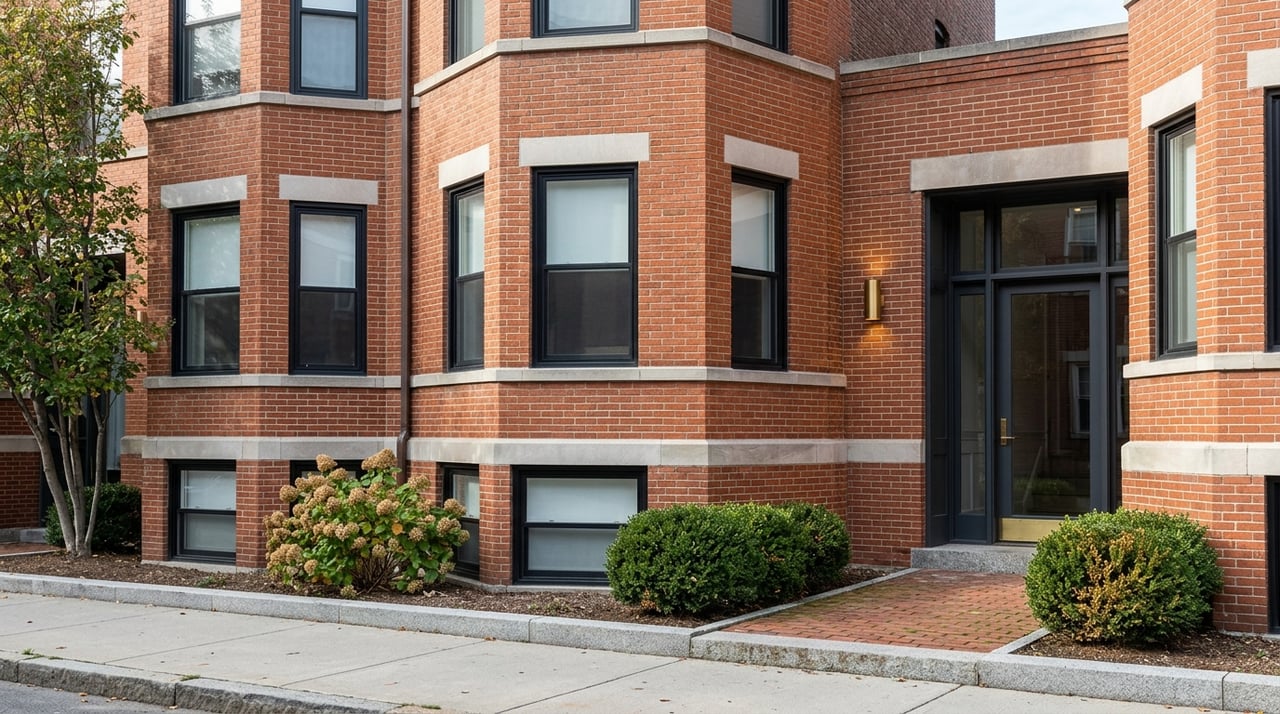
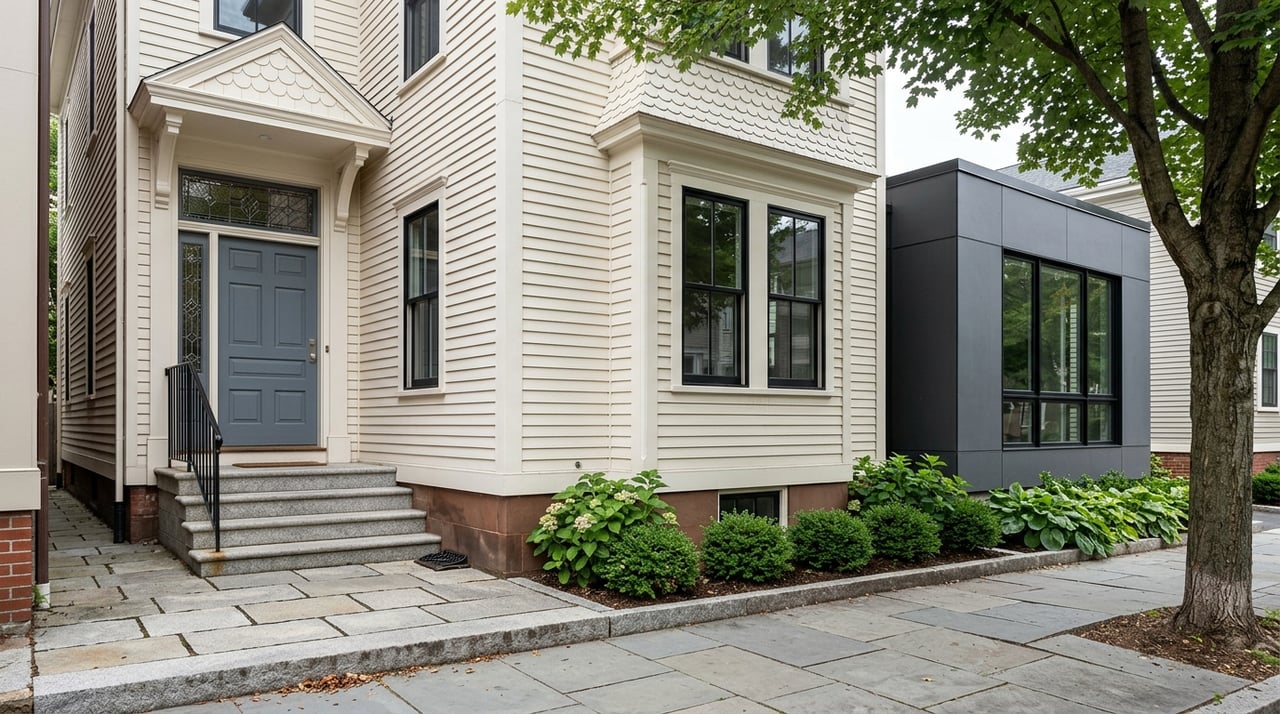
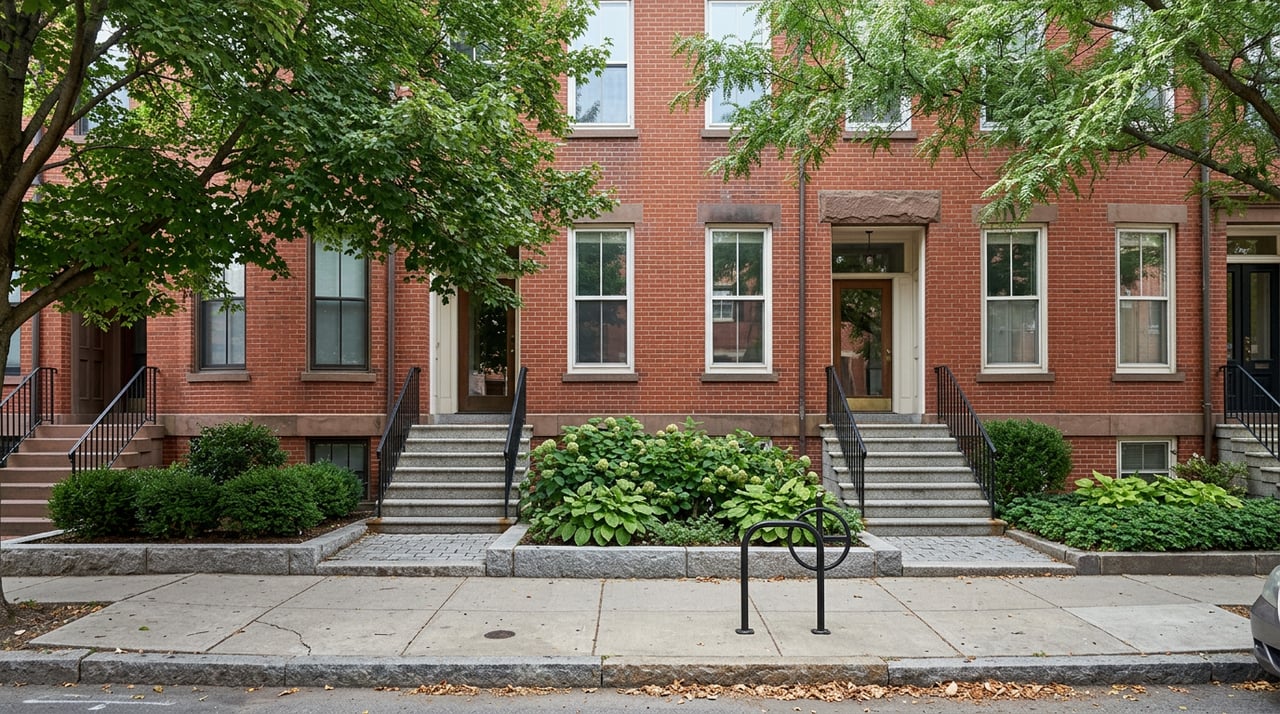
Housing here includes storefronts with apartments above along Washington and Harvard streets, small multi-family buildings, early 20th-century row and single-family homes, mid-rise condos, and the larger Brook House complex by the Riverway and Route 9. This mix means plenty of walkable rental and condo choices, with storage varying by building. For a local overview of the Village’s housing and vibe, see this Brookline Village neighborhood profile.
Street activity and noise
Living right on Washington Street or close to the Green Line tracks comes with tradeoffs. You gain instant access to cafés and transit, but you should expect more street activity, deliveries, and evening noise than on quieter side streets. If you value quiet above all else, aim a block or two off the main corridors and visit at different times of day to assess sound.
Parking realities for car-optional households
Daytime resident permit basics
If you keep a car, know the Town’s rules in advance. Brookline’s Resident Daytime Permit Parking program lets qualified vehicles exceed posted two-hour limits on eligible streets. The annual permit fee is listed as 30 dollars, and not all streets qualify, so confirm a listing’s exact block on the Town site. Program details and eligibility are on the Resident Daytime Permit Parking page.
Overnight lots and wait lists
Because on-street overnight parking is restricted, the Town operates a limited number of overnight resident lots, including some near Brookline Village. Spaces are billed monthly and may have wait lists, so factor this into budgeting and timing if you plan to keep a vehicle. See current policies on the Resident Overnight Parking page.
Car-sharing as your backup vehicle
If you prefer to go car-free but still need occasional wheels, Town-licensed car-sharing pods are a practical solution. They reduce the need for a personal car, which keeps your monthly costs down and your parking stress low. Learn more on Brookline’s Car-Sharing program page.
A quick car-free readiness checklist
Use this short list when you tour a home in Brookline Village or on nearby streets.
- Commute reality: Time your walk to the Green Line D branch at Brookline Village station. If it is more than 12 minutes, try the route at different hours and note lighting and snow clearance. The MBTA station page has maps and alerts.
- Bus access: Identify nearby bus stops for crosstown trips and weekend service. The Town’s Getting to Brookline page outlines key routes and connections.
- Bike storage: Ask about indoor bike storage, e-bike charging, and a secure package room. If the building lacks storage, check for nearby public bike racks and review calm routes in the Town’s Green Routes plan.
- Groceries: Map your quick daily stops versus your weekly full shop. Plan one larger run by bike, Bluebikes, or a short train ride to Coolidge Corner.
- Parking rules: If you own a car, confirm whether the block is eligible for the Resident Daytime Permit Parking program. If you need overnight parking, review current policies and availability on the Resident Overnight Parking page.
- Backup wheels: Note the nearest car-sharing pod so you can handle bulky errands without owning a car. See the Town’s Car-Sharing page for program details.
Putting it all together
Car-free life in Brookline Village works because the essentials line up in one place. You can walk to coffee and parks, take the Green Line to work, and reach full-size groceries with a short ride. The tradeoffs are manageable if you plan ahead for storage and understand the Town’s parking rules. Try a one-week “car-light” test before you move, then fine-tune your routes based on real travel times and store hours.
If you are weighing homes in the Village or on the surrounding streets, local guidance can help you match a property’s location and amenities to your daily routine. For thoughtful, neighborhood-first advice on buying, selling, or leasing in Brookline, reach out to Eileen Strong O'Boy.
FAQs
Is Brookline Village walkable without a car?
- Yes. The compact center and nearby shops, parks, and transit give the area high walk, transit, and bike ratings, as shown on the local Walk Score overview.
What MBTA options serve Brookline Village commuters?
- The Green Line D branch stops at Brookline Village station for quick links to Longwood, Fenway, Kenmore, and downtown, with transfers across Green Line branches.
How do I handle groceries without driving in Brookline Village?
- Do frequent small trips on foot to neighborhood markets, then plan a weekly full shop by bike or a short Green Line ride to full-service stores in Coolidge Corner.
What are the parking rules if I keep a car?
- Daytime resident permits allow longer stays on eligible streets for a modest annual fee, and overnight resident lots are available by monthly permit, often with wait lists.
Are there safe bike routes near Brookline Village?
- Yes. The Town’s Green Routes plan maps calmer connections and protected lanes, and the Emerald Necklace paths offer low-stress links to Longwood, Fenway, and Jamaica Pond.
What housing types are common near Brookline Village?
- You’ll see apartments above shops, small multi-family buildings, early 20th-century homes, mid-rise condos, and a larger complex by the Riverway, offering many walkable options.