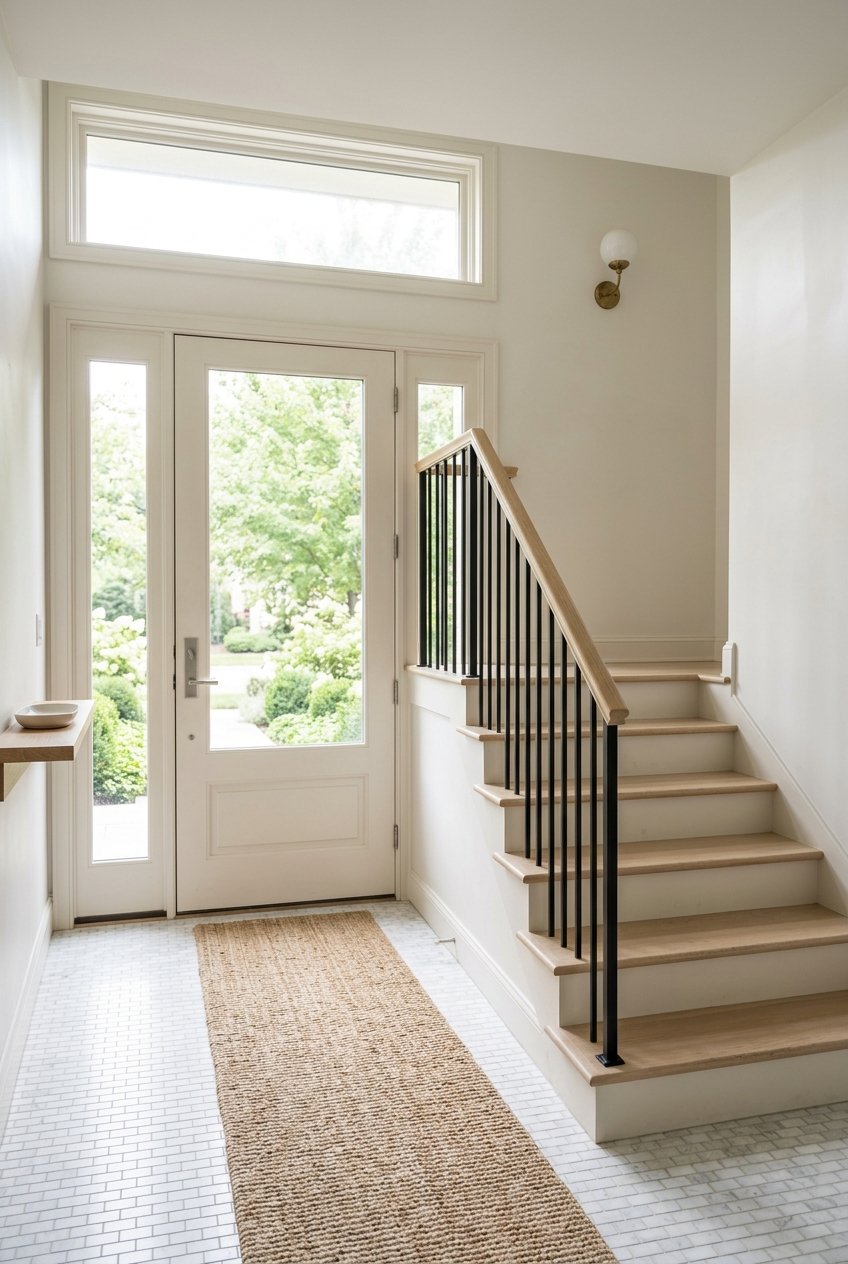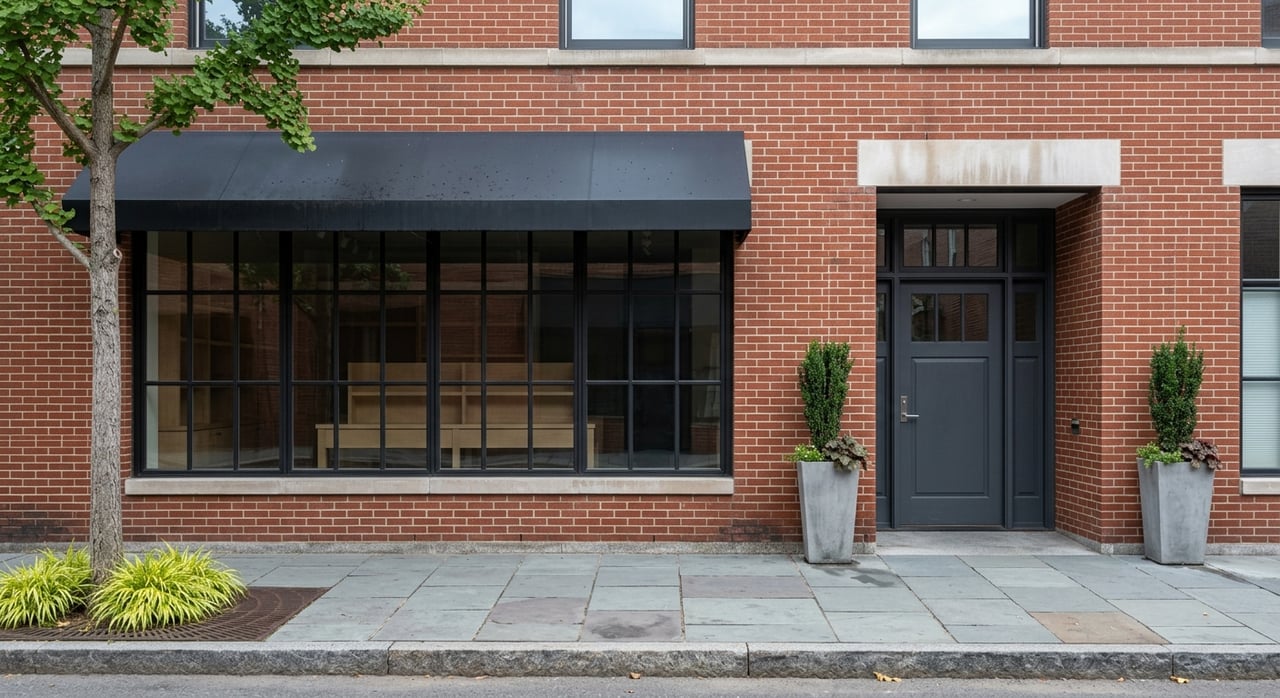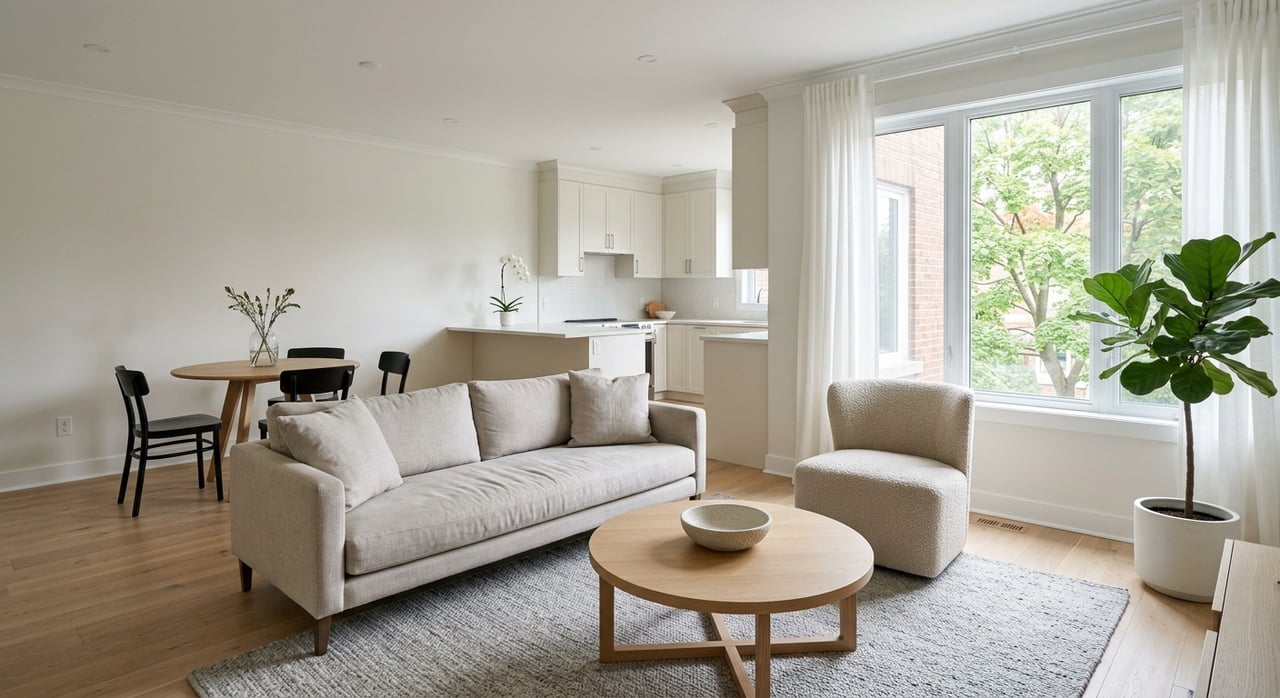
If the idea of less upkeep and more convenience sounds appealing, Coolidge Corner may already be on your shortlist. For many downsizers, the goal is not just to move into a smaller home. It is to find a place where daily life feels easier, more connected, and still full of character. In Coolidge Corner, you can trade some space for walkability, transit access, and a lively neighborhood setting. Let’s dive in.
Why Coolidge Corner Works for Downsizers
Coolidge Corner is best known as Brookline’s principal commercial district, not as a quiet pocket of detached homes. A recent Massachusetts feasibility study found the area is 76.7% commercial, 10.5% mixed-use, and 6.7% residential. That mix helps explain why the neighborhood often appeals to people who want to simplify daily life and stay close to shops, dining, and services.
Brookline’s district plan describes the area as a place where living should mean access to neighborhood goods and services, entertainment and dining, and a pedestrian- and bicycle-friendly environment. In practical terms, that can make a real difference if you are hoping to rely less on driving. Instead of planning errands around a car, you may be able to handle more on foot.
Coolidge Corner also has a strong sense of place. Longstanding anchors like the Coolidge Corner Theatre and Brookline Booksmith help give the area the feel of a destination district. For downsizers who want energy and convenience without feeling disconnected from the neighborhood around them, that blend can be very appealing.
What Homes You’ll Actually Find
If you are picturing rows of detached houses, Coolidge Corner may feel different from what you expect. Much of the housing stock evolved from early 20th-century single-family streets into 3- and 4-story apartment buildings, and many older homes were later converted into multi-family properties. Vacant land is limited, so the neighborhood remains more condo- and apartment-oriented than single-family focused.
That matters because downsizing here often means choosing among condos, co-ops, or apartments in older and newer buildings rather than moving into a smaller standalone house. Many buyers find that tradeoff worthwhile because it can reduce maintenance and put everyday needs closer to home. Still, it helps to enter the search with a clear picture of the local housing mix.
Brookline’s official neighborhood history also notes that most buildings in the core were built between 1890 and 1930. That older fabric gives the area much of its charm, but it also means building features can vary widely from one property to the next.
Older Condos With Character
One of the nice surprises in Coolidge Corner is that downsizing does not always mean giving up architectural detail. Older condos in the area often retain high ceilings, fireplaces, built-ins, porches, and courtyard settings. If you want a home that still feels warm and residential, those features can make a smaller footprint feel more inviting.
For some buyers, that character is part of the reason to stay in Brookline while making a lifestyle change. You may be able to move into a more manageable home without losing the charm that drew you to the area in the first place.
Elevator Buildings and Modern Convenience
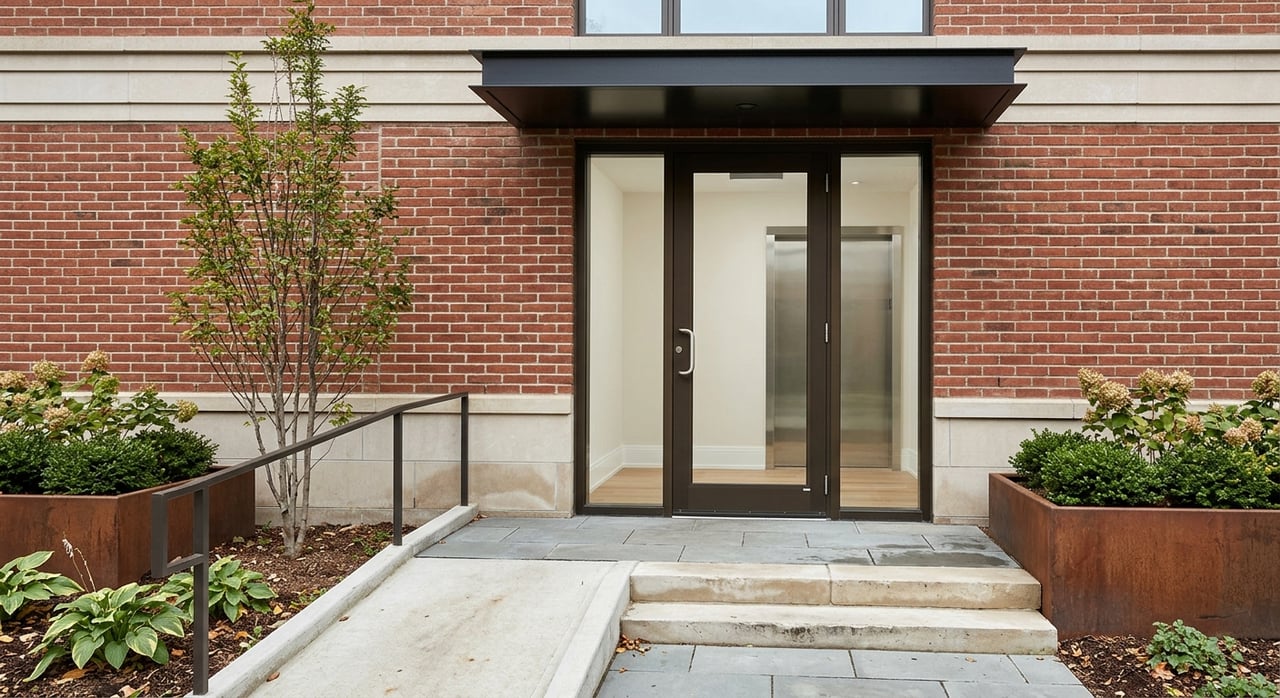
At the same time, current listings show that elevator-served options do exist in Coolidge Corner. Examples in the neighborhood include full-service luxury elevator buildings, courtyard elevator condos, and newer one-level homes with direct elevator access. That range gives downsizers more flexibility than many people assume.
Amenities shown in current listings include concierge or security services, garage parking, storage, laundry, gyms, pools, roof decks, balconies, and common outdoor space. Not every building will offer all of these features, of course. But if your goal is to reduce stairs, simplify maintenance, or keep key conveniences in the building, there are options worth exploring.
The Biggest Lifestyle Shift
For many downsizers, the biggest change is not square footage. It is how you live day to day. In Coolidge Corner, you are often trading private yard space, extra storage, and full control over home maintenance for a more compact, lower-maintenance ownership model close to daily needs.
That trade can be a smart one if your priorities have shifted. You may decide that being able to walk to coffee, books, a movie, or errands matters more than having rooms you rarely use. If so, Coolidge Corner can support a very different kind of convenience than a larger house on a quieter street.
Still, the balance is personal. Some downsizers want a lock-and-leave lifestyle with services and amenities. Others want period charm, a smaller footprint, and enough neighborhood energy to stay engaged. Coolidge Corner can offer both, but not usually in the same way a detached home does.
Living With Less Car Dependence
One of the clearest advantages of Coolidge Corner is mobility. Brookline says the MBTA Green Line C branch runs along Beacon Street from St. Mary’s to Coolidge Corner to Cleveland Circle, and the 66 bus runs through Coolidge Corner between Boston and Harvard Square in Cambridge. The town also points to Bluebikes, Zipcar, The Ride, and senior transportation services.
For many downsizers, that means living here without relying on a car every day is realistic. If you are comfortable walking, taking transit, or using ride alternatives, the neighborhood can support a lower-car lifestyle. That can be especially helpful if you are planning ahead for aging in place.
Brookline also maintains information on Green Line C branch accessibility improvements, which is relevant if mobility is part of your long-term planning. It is one more reason this area often stays on the radar for buyers who want convenience now and flexibility later.
What to Know About Parking
If you plan to keep a car, parking deserves close attention. Brookline rents out 325 overnight parking spaces in 11 town-owned lots and the Courtyard Marriott Hotel, and several of those lots are in Coolidge Corner. That can be helpful, but it does not replace checking the parking reality for a specific building or block.
Accessibility and ease can vary quite a bit. Some buildings offer garage parking, while others may involve town lot arrangements or a more layered parking routine. Before you buy, it is worth looking closely at how parking fits your day-to-day needs.
Walkability Has Real Limits
Coolidge Corner is widely seen as walkable, but that does not mean every route feels equally easy. Brookline’s parking study notes that Beacon Street’s width and the Beacon and Harvard crossing can make pedestrian movement feel less seamless than it looks on a map. That is a useful reminder for buyers who want true convenience, not just a walkability label.
If you are downsizing with mobility in mind, the details matter. A home that looks close to everything online may feel different depending on the exact crossing, sidewalk route, or building entrance. That is one reason local, on-the-ground guidance can be so valuable.
How to Choose the Right Fit
Downsizing in Coolidge Corner usually works best when you focus on lifestyle first and square footage second. The neighborhood offers a strong case for convenience, but your best match depends on how you want your next chapter to feel.
A few questions can help narrow your search:
- Do you want elevator access or is a walk-up still comfortable for you?
- Is one-level living a priority?
- Do you want garage parking, or could you manage with town parking or less frequent driving?
- Are building amenities important, or would you rather prioritize period character?
- How close do you want to be to transit, shops, and daily errands?
- Are you trying to reduce maintenance, improve accessibility, or both?
The answers can quickly point you toward the right type of property. In a neighborhood with older conversions, low-rise buildings, and newer elevator options all in the mix, clarity matters.
Why Building-by-Building Research Matters
Perhaps the most important thing to know is that accessibility in Coolidge Corner is highly building-specific. Some properties are amenity-rich and elevator-served. Others may involve stairs, smaller layouts, or more complicated parking arrangements.
That does not make the neighborhood less attractive. It simply means your search should be tailored carefully. Two homes only a block apart can offer very different day-to-day experiences, especially if you are thinking about long-term comfort and ease.
This is where local perspective matters. Knowing the neighborhood is helpful, but knowing how individual buildings function in real life is what helps you make a confident move.
If you are considering a downsize in Coolidge Corner, a thoughtful plan can help you weigh space, convenience, parking, accessibility, and character in the right order. When you are ready to talk through what fits your next chapter, connect with Eileen Strong O'Boy.
FAQs
Is Coolidge Corner in Brookline a good place to downsize?
- Yes. Coolidge Corner often appeals to downsizers because it offers walkability, access to shops and dining, transit options, and a housing mix that includes condos and elevator buildings.
What kinds of homes can downsizers find in Coolidge Corner?
- Downsizers will usually find condos, apartment-style homes, converted multi-family properties, and some elevator-served buildings rather than a large supply of detached houses.
Can you live in Coolidge Corner without a car?
- Often, yes. Brookline says the area is served by the Green Line C branch, the 66 bus, Bluebikes, Zipcar, The Ride, and senior transportation services.
Are there elevator condos in Coolidge Corner?
- Yes. Current listing examples in the neighborhood show full-service elevator buildings, courtyard elevator condos, and one-level homes with direct elevator access.
What should downsizers check before buying in Coolidge Corner?
- Focus on building-specific details like elevator access, stairs, parking, storage, layout, and how easy the walk is from the front door to transit and daily errands.