If you want Brookline convenience without giving up neighborhood character, Brookline Village may already be on your shortlist. This part of town offers a mix of historic streets, daily walkability, and practical transit access, but condo living here is not one-size-fits-all. If you are trying to figure out whether a Brookline Village condo matches your lifestyle, priorities, and budget, this guide will help you weigh the tradeoffs and opportunities. Let’s dive in.
What makes Brookline Village different?
Brookline is a mature suburban community with urban characteristics, located about four miles from downtown Boston and covering roughly six square miles. Within that setting, Brookline Village stands out as one of the town’s older and denser areas. Its commercial district is listed on the National Register of Historic Places, and town planning materials describe Harvard Street as having a true Main Street feel.
That matters when you are shopping for a condo. Instead of a uniform cluster of similar buildings, you are looking at a mixed-use, pedestrian-oriented neighborhood where homes often sit within a short walk of shops, restaurants, and services. Brookline Village feels active, connected, and rooted in history.
Why condo inventory varies so much
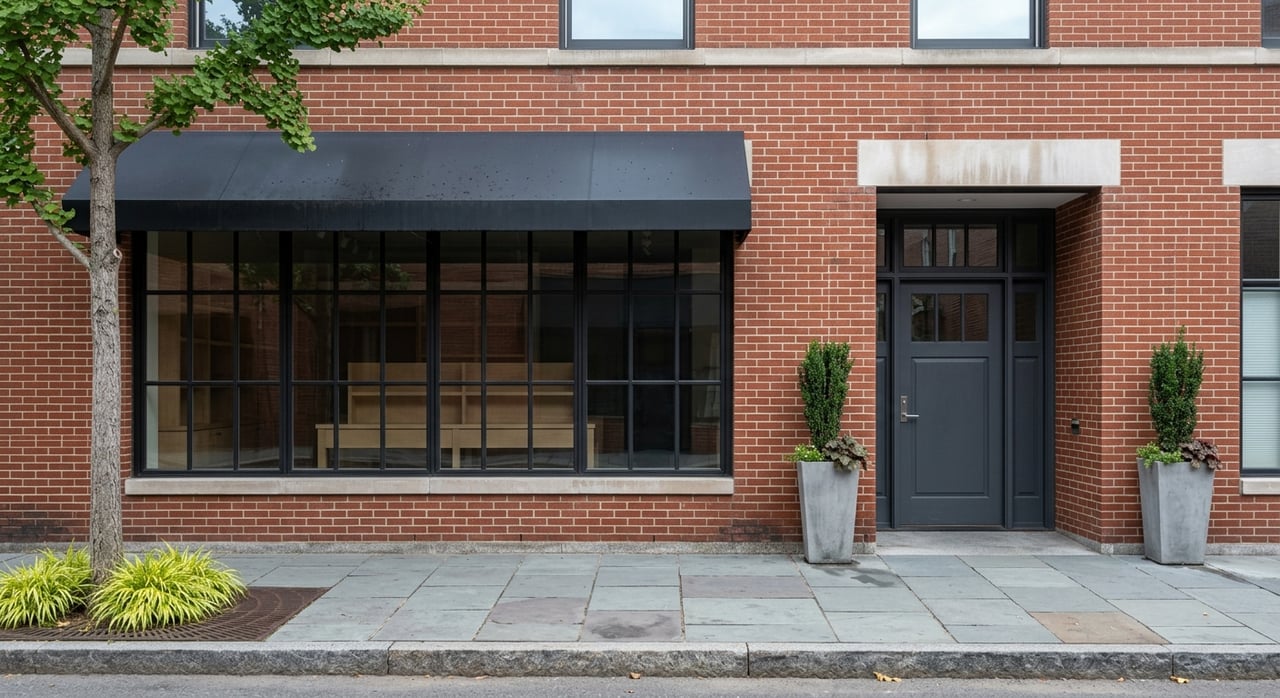
One of the biggest things to understand about Brookline Village is that the housing stock is diverse. Town materials describe attached buildings, small footprints, limited setbacks, and a mix of one- to two-story and three- to four-story structures in the Station Street to Kent Street area. In nearby historic-district materials, the town also notes early houses, later rowhouses and townhouses, and pre-1950 apartment buildings organized around courtyard entries.
For you as a buyer, that means condo choices can look very different from one block to the next. Some homes may be in smaller conversions with more architectural detail and less uniformity. Others may be in newer or larger mixed-use buildings with more standardized layouts and added building amenities.
Space versus location
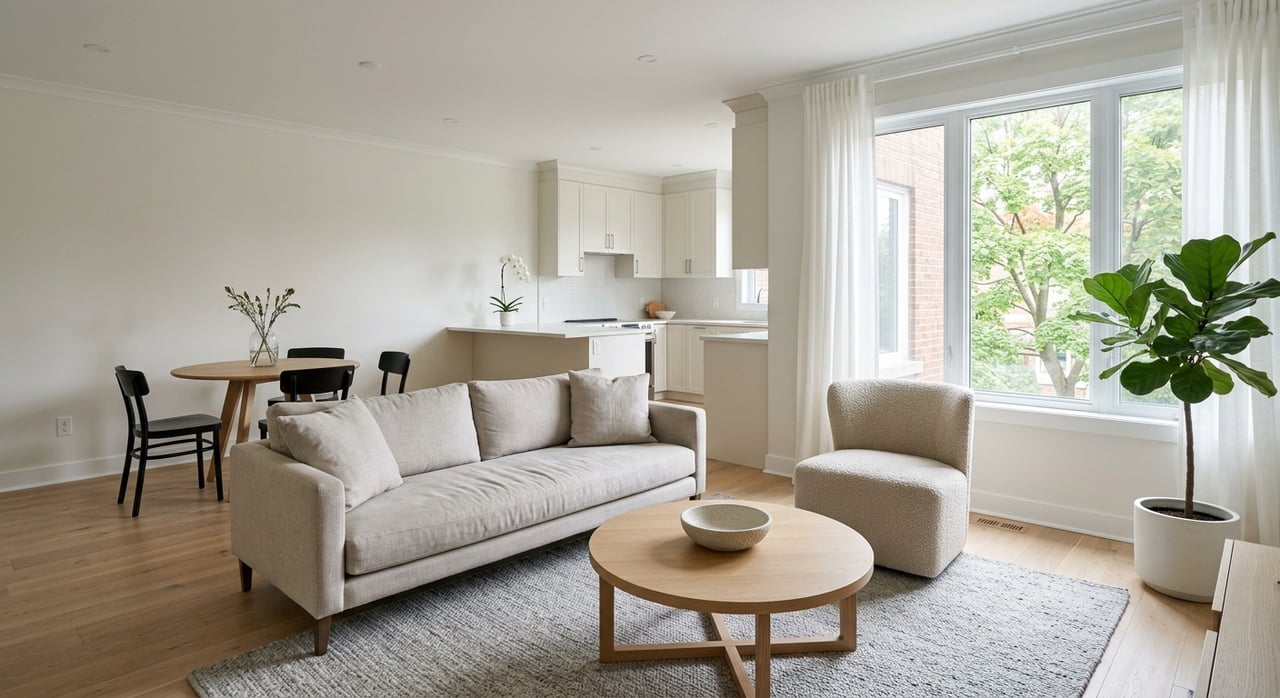
In Brookline Village, the main tradeoff is often space versus convenience. If you want to live in a central, walkable location close to daily needs and transit, you may find that units offer less square footage or a more compact layout than options in more residential parts of Brookline.
That does not mean one choice is better than another. It simply means your priorities need to be clear. If you value being able to step outside and quickly reach restaurants, services, and transit, the Village may feel like a great fit. If you want more interior space or a more predictable building style, you may need to compare carefully.
What buildings can look like
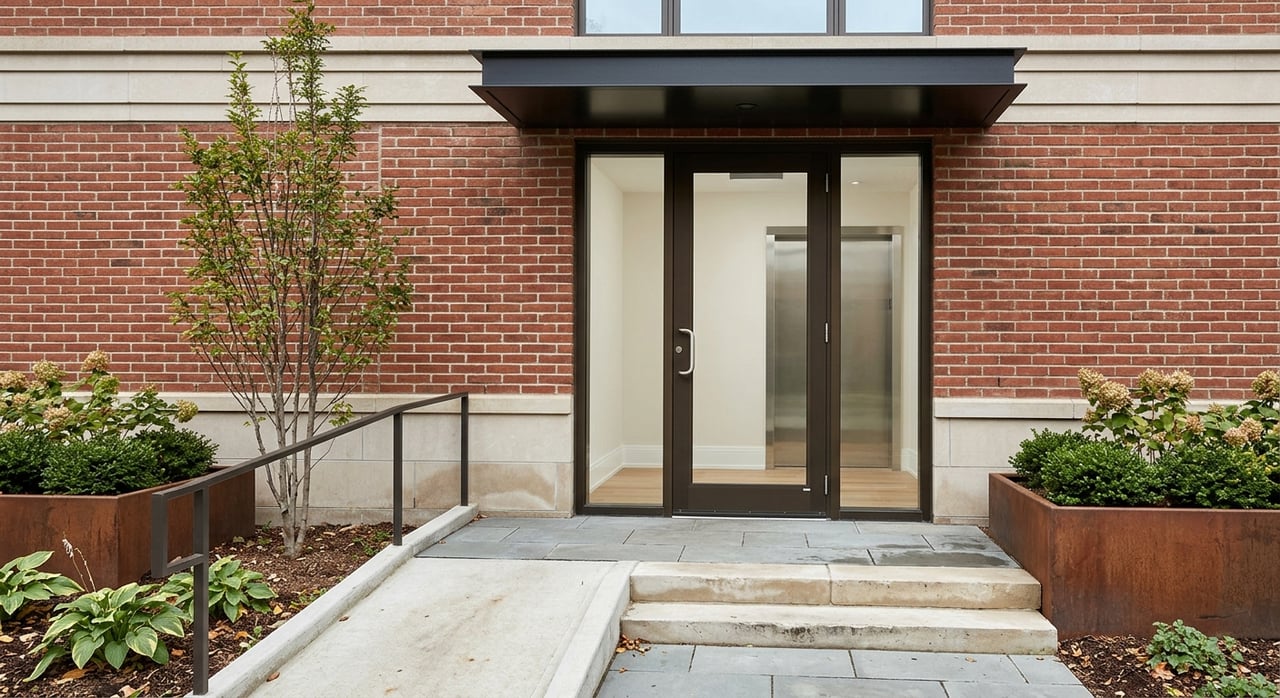
Town project materials help show the range of condo product in the area. For example, 370 Washington Street is described as a six-dwelling condo project with eight indoor parking spaces. Another Village-area project, 40 Kent/40 Webster, is described as a multistory attached building with dozens of units, parking, and some retained historic structure.
These examples tell you something important: Brookline Village condos can range from smaller, character-rich conversions to larger infill developments. Floor plans, parking setups, and building services may differ sharply, even within the same few blocks. In this neighborhood, evaluating the specific building is just as important as evaluating the location.
How walkable is Brookline Village?
Brookline Village is well suited to buyers who want a car-light lifestyle. The town says the Green Line D branch runs from Longwood Medical Area through Brookline Village to Reservoir. Route 66 also travels through Brookline Village and Coolidge Corner on its way from Boston to Harvard Square.
That transit access can be a major plus if you commute, work in nearby employment centers, or simply want more flexibility in how you get around. The town also lists Bluebikes stations in Brookline Village, Coolidge Corner, JFK Crossing, and Washington Square, which adds another option for short trips.
Pedestrian access is another strength. Brookline is redesigning Washington Street between Washington Square and Brookline Village through a Complete Streets approach, and the Davis Path footbridge and path provide a north-south pedestrian connection into Brookline Village and nearby civic uses. If walkability is high on your list, this area checks an important box.
Parking is a real consideration
Parking is one of the most practical issues to think through before buying in Brookline Village. Brookline’s parking rules treat public parking as a shared community resource, and the town’s general regulations limit daytime street parking to two hours and nighttime street parking to one hour unless a permit applies.
The town says resident daytime permits cost $30 per year, must be tied to a Brookline-registered vehicle, and do not guarantee an on-street space. In Brookline Village, the town lists 3-hour on-street meters in the commercial center, 13-hour meters on Kent Street, and town-owned lots on School Street, Kent/Webster, and Kent/Station.
That means parking certainty can vary widely depending on the building you choose. For many buyers, deeded or assigned parking becomes a major decision point. If you own a car and use it often, this should be one of the first questions you ask when comparing condos.
Who is a Brookline Village condo best for?
A Brookline Village condo is often a strong match if you want:
- A compact home in a walkable setting
- Easy access to transit
- A neighborhood with historic character
- Daily conveniences close by
- Flexibility to live with less dependence on a car
This area can be especially appealing if you value efficiency and location over maximum interior square footage. It may also suit buyers who enjoy the energy of a mixed-use district rather than a purely residential setting.
When a different Brookline area may fit better
Brookline Village is not the only option if you want a condo in Brookline. Comparing nearby neighborhoods can help you get clearer on what matters most to you.
Coolidge Corner
Town materials describe Coolidge Corner as Brookline’s principal commercial district and a thriving mixed-use neighborhood. Compared with Brookline Village, it generally offers a broader retail and commercial footprint and more municipal parking infrastructure. If you want an amenity-rich environment with a different street rhythm, it is worth considering.
Washington Square
Washington Square is another mixed-use area with a distinct streetscape identity. Town and community materials point to active parking and curb-management efforts there, along with neighborhood improvements like benches, planters, and garden areas. If you want a Beacon Street-area setting with a different commercial scale and civic feel, this can be a useful comparison.
Cottage Farm and Longwood area
This comparison is more of a contrast than a close match. Town historic-district materials describe Cottage Farm as a cohesive suburban residential neighborhood that is largely made up of single-family houses, with a few institutional exceptions. If you are deciding between a Village condo and a more residential setting, this comparison can help clarify your priorities.
Why block-by-block research matters
Even within Brookline Village, conditions can vary quite a bit. Town microscale documentation for the Harvard Street corridor notes a mix of detached buildings, rowhouses, apartment buildings, commercial storefronts, and former automotive sites with front-yard parking.
That is why it helps to think beyond the neighborhood label. Two condos that are only a few blocks apart may offer very different experiences in terms of layout, parking, street activity, and building style. In Brookline Village, the details matter.
Key questions to ask before you buy
If you are seriously considering a Brookline Village condo, keep these questions in mind:
- How important is deeded or assigned parking to your daily life?
- Are you comfortable trading square footage for location and walkability?
- Do you prefer older architectural character or a newer building feel?
- How often will you use transit, biking, or walking instead of driving?
- Do you want a mixed-use street environment or something more residential?
The clearer you are on these answers, the easier it becomes to narrow your search.
The bottom line
A Brookline Village condo can be an excellent choice if you want a historic, walkable, transit-supported home close to everyday conveniences. The tradeoff is that space, parking certainty, and building features can vary more than many buyers expect.
That is why the smartest approach is to evaluate each property on its own merits. In Brookline Village, the right condo is less about the label and more about how a specific building, block, and layout fit your lifestyle. If you want help comparing Brookline Village with other Brookline neighborhoods, Eileen Strong O'Boy can help you sort through the details and make a confident move.
FAQs
Is Brookline Village a good place to buy a condo?
- Brookline Village can be a strong option if you want walkability, transit access, historic character, and close proximity to shops and services.
What types of condos are common in Brookline Village?
- Brookline Village includes a mix of smaller condo conversions, older apartment-style buildings, and newer mixed-use or infill developments, so layouts and features can vary widely.
Do Brookline Village condos usually come with parking?
- Parking varies by building, and it is not something you should assume. Some projects include indoor or assigned parking, while others may rely more on street or public parking options.
How is parking managed in Brookline Village?
- The town limits daytime and nighttime street parking unless a permit applies, and resident daytime permits do not guarantee a space. The Village also has meters and town-owned lots.
Is Brookline Village more walkable than other Brookline areas?
- Brookline Village is known for its pedestrian-oriented layout, mixed-use character, transit access, and nearby services, which can make it especially appealing for buyers who want a car-light lifestyle.
Should you compare Brookline Village with other Brookline neighborhoods before buying?
- Yes. Comparing Brookline Village with areas like Coolidge Corner, Washington Square, or more residential parts of Brookline can help you decide what balance of space, convenience, and neighborhood feel fits you best.