Do you picture your day starting with a short stroll to a streetcar, coffee in hand, then an easy ride into Boston? If you value transit and a lively neighborhood core, Coolidge Corner often rises to the top of your list. Still, the Green Line’s surface-running C branch creates real tradeoffs in noise, parking, and building types that you should compare before you buy. In this guide, you’ll learn how proximity to the stops shapes daily life, what to expect by street and building type, and how to shop smart for long-term value. Let’s dive in.
Green Line basics in Coolidge Corner
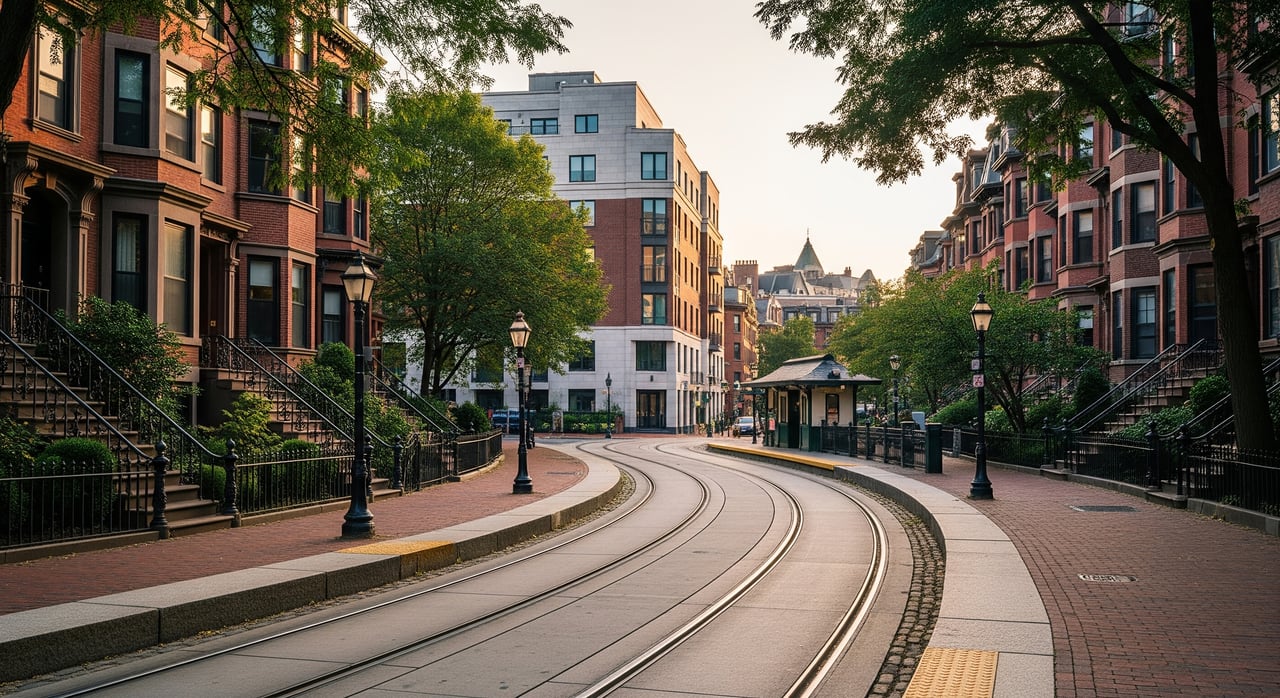
Coolidge Corner sits along Beacon Street where the MBTA Green Line C branch runs at street level in the center median. Stops in this district act as the neighborhood’s transit and commercial spine, with frequent trolleys, pedestrian crossings, and activity throughout the day.
You get direct access to the Green Line trunk into central Boston with connections at major hubs. Because service shares the roadway environment, travel times can vary more than a fully underground subway. Replacement buses may run during track work or storms, so it pays to stay informed.
The built environment is classic streetcar suburb: a vibrant retail corridor around the stop and a mix of pre-war multifamily buildings, brownstones, and side-street homes a few minutes away. Off-street parking is limited, so many residents rely on permits for nearby streets.
How the Green Line shapes your day
Commute choices and routines
If you work in Boston or at area institutions, the C branch unlocks an easy commute without a car. Frequent service supports a transit-first lifestyle for work, errands, and evenings out. Expect busier trains at peak times and a bit more variability than underground lines.
Walkability and the 15-minute lifestyle
Shops, restaurants, services, and the beloved neighborhood theater cluster within a short walk of the stop. You can cover many daily needs on foot. For comparing homes, a helpful rule of thumb is:
- 2–5 minutes, about 0–0.25 mile, feels very close
- 5–10 minutes, about 0.25–0.5 mile, is a comfortable walk
- 10–15+ minutes, about 0.5–0.75+ mile, is the edge of comfortable for many
Parking and car use
Transit access often reduces the need for a second car. If you do drive, factor in limited off-street parking and the likelihood of resident permits on side streets. Confirm guest options and any building rules early in your search.
Housing near the stops
What you’ll find on Beacon Street
Beacon Street offers mixed-use buildings with storefronts at the base and residential units above. Many are pre-war walk-ups or condo conversions with classic details. You trade quieter settings for unbeatable convenience and active street life.
One or two blocks back
On the parallel streets, you’ll see two- and three-family homes, brownstones, and occasional single-family houses, many converted to condos. These streets balance quick access to Beacon Street with a quieter, more residential feel.
Newer and renovated options
You will also find pockets of modern condominiums or revitalized multiunit buildings. Newer construction can deliver better soundproofing and accessibility, though monthly fees and purchase prices may be higher.
How proximity affects demand and pricing
Homes within a short walk of the stop tend to draw strong demand because of transit convenience and walkability. Units that combine proximity with updated systems and appealing street character often sell faster. Exact premiums vary by unit orientation, floor, condition, and parking. Compare recent local sales with your agent to understand the numbers for your specific segment.
Noise, vibration, and safety tradeoffs
What to expect near Beacon Street
Surface-running light rail creates street-level sounds from motors, rail interaction, braking, and occasional announcements. Noise depends on how close you are to the tracks, whether your windows face Beacon Street, and even the time of day. Vibration is usually minimal in well-maintained systems, though some older adjacent buildings may feel it.
Building features that matter
Masonry construction and thicker walls help reduce airborne noise. Double or triple-pane windows make a noticeable difference. Upper floors typically experience less street noise and can enjoy better light. Window and door seals, HVAC age, and ventilation also affect comfort.
Pedestrian environment
Frequent crossings and transit activity bring steady foot traffic. Many buyers enjoy the energy and convenience. If privacy is a priority, look one or two blocks back while keeping the walk short.
Street-by-street comparisons
Beacon Street homes
- Highest access to transit and amenities
- More street noise and retail activity
- Fewer yard spaces and mature trees
Side streets near the stop
- Quieter, more residential character
- Short walk to shops and trains
- Mix of brownstones, two- and three-families, and condo conversions
Choosing unit orientation and floor
If your living spaces face Beacon Street, expect more activity and sound. Rear-facing rooms and higher floors usually feel calmer. Ask where the bedrooms sit relative to the street and where light enters during your preferred hours.
Buyer checklist for showings
Use this practical checklist to compare properties near the Green Line stop:
- Walk time and route: time your walk in the morning and evening, and note crosswalks and winter conditions.
- Visit multiple times: weekdays, weekends, and peak transit hours to gauge noise and crowding.
- Orientation and floor: confirm if primary rooms face Beacon Street or a rear yard, and evaluate upper-floor benefits.
- Windows and ventilation: look for single vs. double or triple glazing, door seals, and the age of HVAC systems.
- Structural clues: ask your inspector to note any fine cracking in walls or masonry that might point to movement.
- Parking details: verify deeded or leased spaces, resident permit eligibility, and any guest rules.
- Building governance: review condo or co-op rules on rentals and subletting, reserve funds, and any pending assessments.
- Upcoming projects: ask about planned MBTA or town streetscape work that could affect service or the pedestrian realm.
Sound and comfort upgrades to consider
If you love the location but want quieter interiors, consider these targeted improvements:
- High-performance double or triple-pane window replacements
- Acoustic seals on windows and exterior doors
- Interior storm windows or secondary glazing, which can suit historic buildings
- Added insulation in walls and between floors, with board approval where needed
- HVAC sound dampening and balanced ventilation
- Strategic landscaping or small setbacks to soften street noise perception
A smart strategy for resale
Transit-adjacent homes often appeal to a broad audience, from commuting professionals to downsizers and investors. That can mean stronger liquidity when priced well. For long-term value, prioritize units with updated systems, good natural light, smart orientation, and a short, comfortable walk to the stop. Solid building governance and reserves also support confidence at resale.
Next steps to shop with confidence
- Tour your top streets at different times to experience real conditions.
- Track service notices and accessibility updates so you know how projects could affect your routine.
- Compare recent local sales within tight radii of the stop to understand pricing by building type and block.
- Confirm parking and permit options early if a car is part of your plan.
If you want a second set of neighborhood-savvy eyes, you are not alone. With deep Coolidge Corner experience and a white-glove approach to showings, comps, and building due diligence, Eileen Strong O'Boy can help you weigh transit, noise, and amenity tradeoffs and move forward with confidence. Request a Home Valuation or start a tailored buyer search today.
FAQs
How does the Green Line C branch affect daily life in Coolidge Corner?
- It enables a transit-first routine for commuting and errands, with frequent service, active sidewalks, and easy access to shops and restaurants.
What are the pros and cons of living on Beacon Street near the stop?
- You gain unmatched convenience and energy but should expect more street noise, retail activity, and limited yard space.
How far from the stop is a comfortable walk for most buyers?
- Many find 5–10 minutes, roughly 0.25–0.5 mile, to be a sweet spot that balances quiet with quick access.
Will proximity to the Green Line always raise a home’s price in Coolidge Corner?
- Proximity often boosts demand, but premiums vary by unit condition, parking, building amenities, and supply. Review recent comps to gauge your segment.
How can I evaluate noise and vibration in a specific unit near Beacon Street?
- Visit at different times, sit in main rooms, compare floors, and check window type and seals. Consider a short-term noise assessment if needed.
What parking realities should I plan for near Coolidge Corner stops?
- Off-street parking is limited. Ask about deeded spaces, garage options, and resident permit rules for side streets before you commit.
What building features improve comfort in transit-adjacent homes?
- Masonry walls, higher-floor orientation, and quality double or triple-pane windows help reduce noise and improve day-to-day comfort.