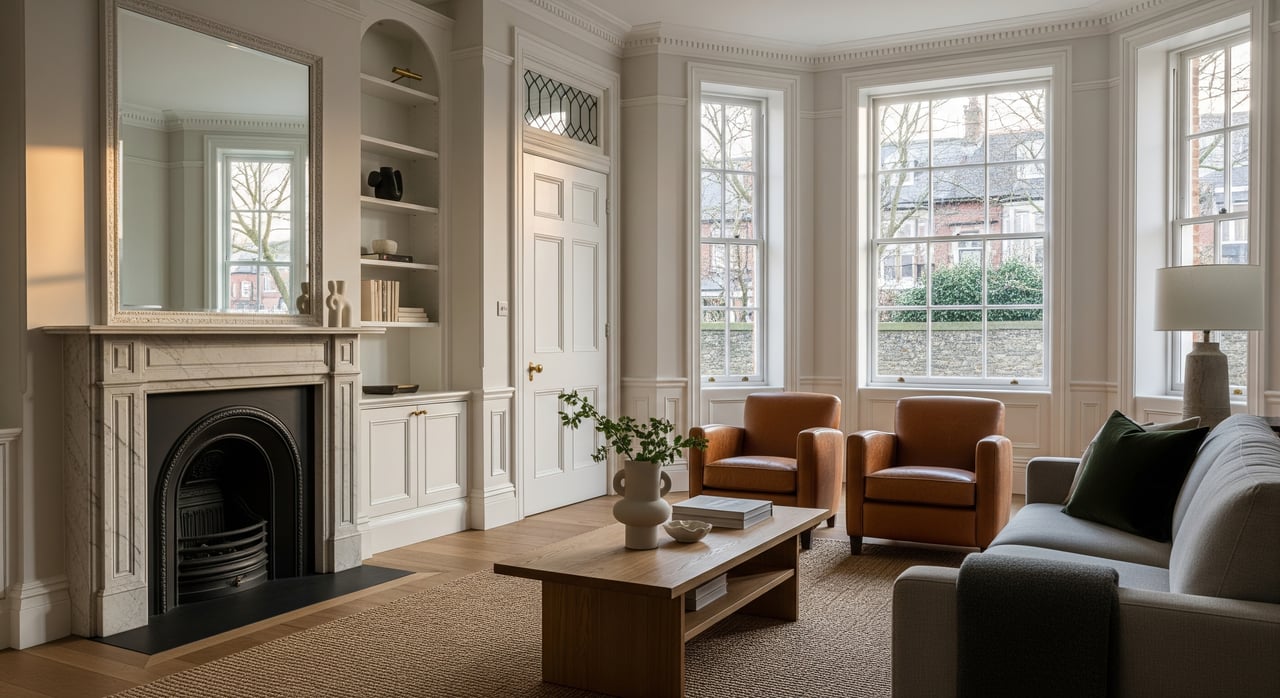
Thinking about selling in Chestnut Hill but not sure if you should stage or list your home as-is? You are not alone. Buyers here compare across Newton, Brookline, and Boston, and the right presentation can make a real difference. In this guide, you will learn how to weigh costs, timelines, ROI, and buyer expectations so you can choose a strategy with confidence. Let’s dive in.
Chestnut Hill buyer snapshot
Chestnut Hill attracts school- and commute-focused buyers, professionals, and downsizers who often prefer move-in-ready homes. Because the village spans Newton, Brookline, and Boston, expectations can vary by street based on school district, lot size, and services. Many buyers compare your listing to recent renovations nearby, so polished presentation matters more than in lower-price or investor-led markets. In higher price bands, small improvements and staging can have an outsized impact on offers and time to sale.
Staging vs. as-is: what changes outcomes
Research from industry groups consistently shows that staged homes are viewed more favorably by buyers and often sell faster, sometimes with stronger offers. Results vary by price, condition, and market temperature, so local comps are key. Staging helps buyers visualize how to live in the home, reduces perceived flaws, and improves photos that drive showings.
Pros of staging:
- Stronger first impressions and online engagement
- Shorter days on market and potential for better offer terms
- Clear room purpose and improved sense of scale
Cons of staging:
- Upfront cost and some prep time
- Possible storage or furniture rental logistics
- Not a fix for major repair needs or disclosures
What buyers react to most here
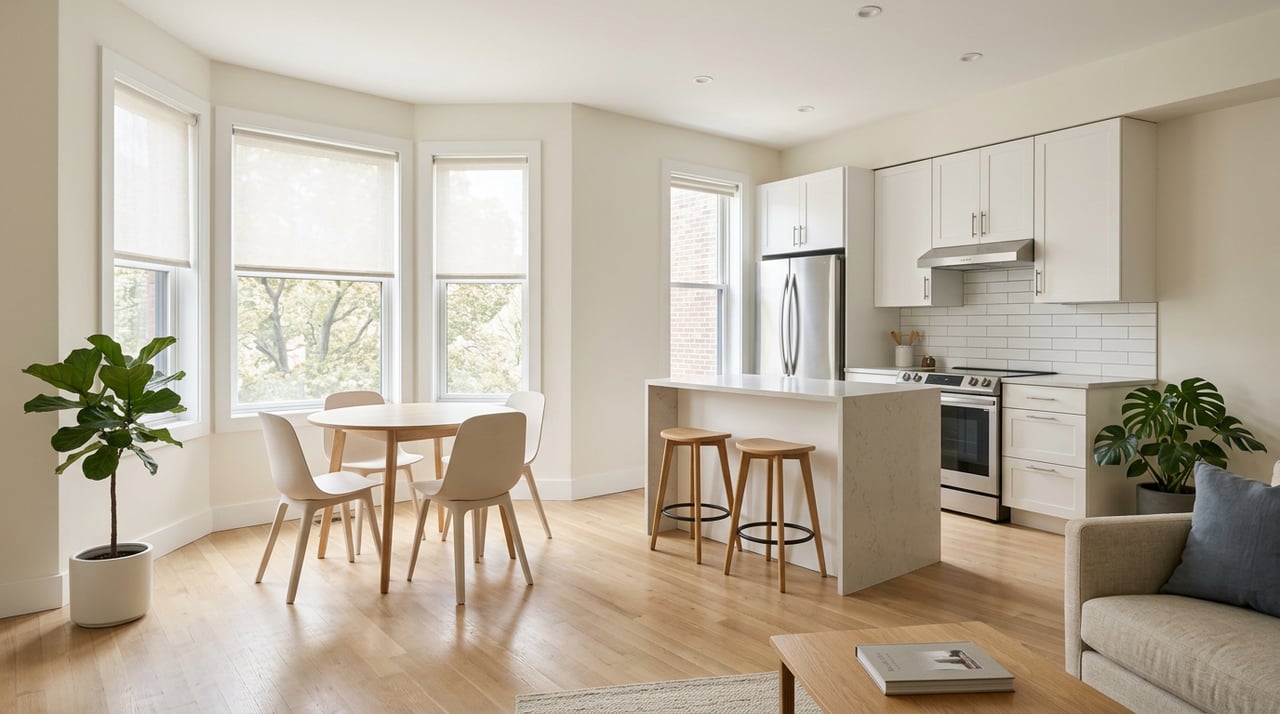
- Kitchens and bathrooms with clean finishes, lighting, and storage
- Decluttered rooms with clear function, including an office or mudroom
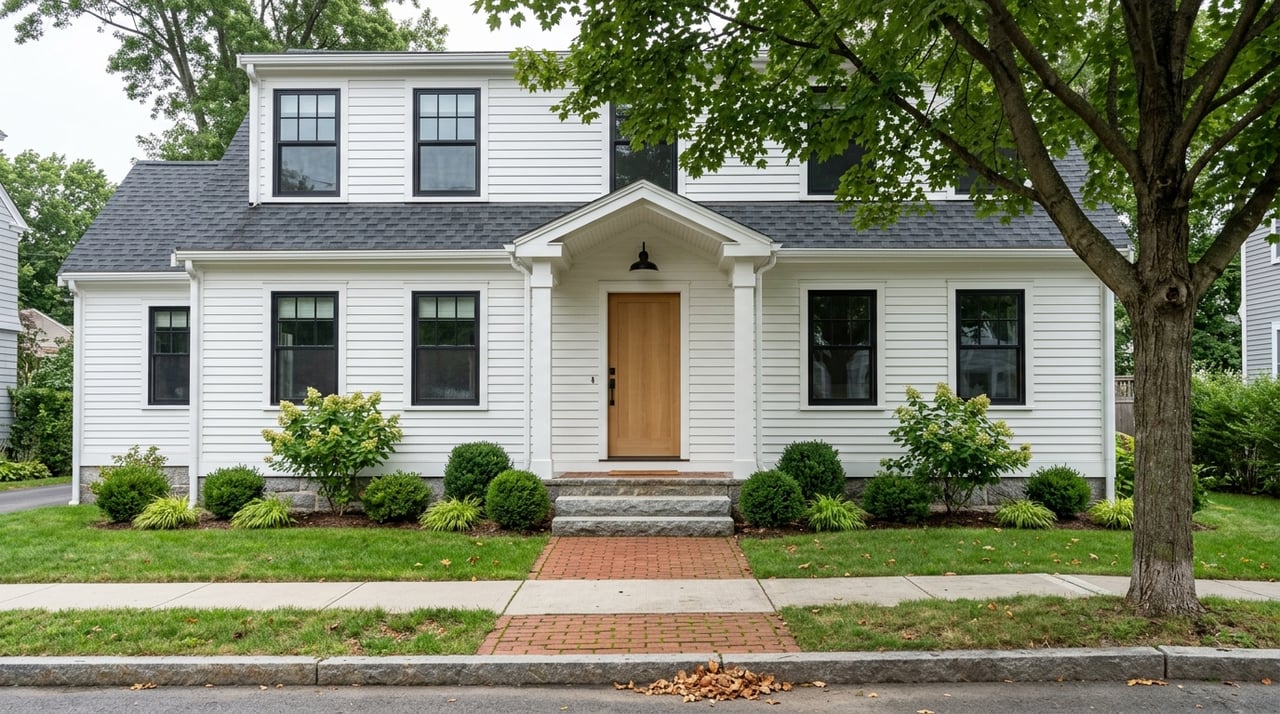
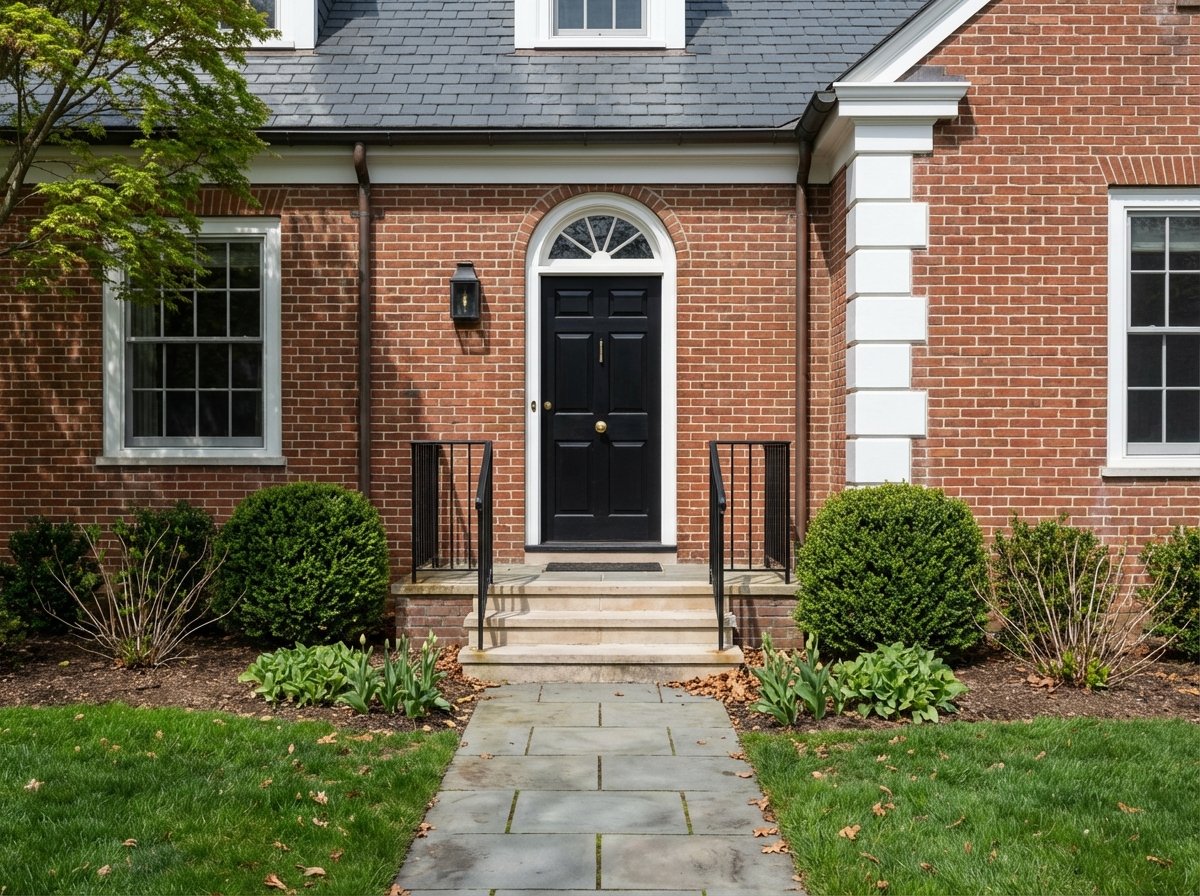
- Curb appeal in the first 10 seconds: entry, walkway, and front door
- Properly scaled furniture that makes rooms feel spacious
- Neutral palette and bright, consistent lighting for stunning photos
- Professional photography and a floor plan that highlights flow
Staging options, costs, and timelines
Common approaches:
- Consultation-only: A pro walkthrough with a punch list you execute
- Partial staging: Key rooms styled, common for occupied homes
- Full staging: Whole-home styling, often with rental furnishings
- Vacant staging: Full install to help buyers judge scale
- Virtual staging: Digital furniture for photos when physical staging is not feasible
Typical Greater Boston cost ranges:
- Consultation: $150 to $500
- Partial staging: $1,000 to $3,000 total or $800 to $3,000 per month
- Full staging (occupied): $2,000 to $6,000 plus $500 to $2,000 per month
- Vacant full staging: $3,000 to $10,000+ plus $600 to $3,000 per month
Expected timelines:
- Consult and quick fixes: 1 to 7 days
- Partial staging: 3 to 7 days from order to install
- Full or vacant staging: 1 to 2 weeks for logistics and setup
- Virtual staging: 24 to 72 hours after photos
Price-band guidance for Chestnut Hill
Entry to mid-tier homes
Buyers want clean, well-maintained spaces and fair pricing. Your best ROI is often decluttering, a light paint refresh, and targeted staging of the living room, main bedroom, and kitchen styling. Full luxury staging is usually unnecessary.
Mid to upper-tier single-family
Buyers expect move-in-ready presentation and polished outdoor living. Partial or full staging often pays off here with faster sales and stronger offers, especially when you compete with recent renovations.
Upper and luxury homes
Buyers look for designer-level presentation and a lifestyle story. Full professional staging with high-quality furnishings is frequently justified to highlight scale, flow, and amenities.
Multi-family and investor properties
Financials and condition matter most. Consider light staging or virtual staging for vacant units to show potential rent and function. Full staging is rarely necessary.
Vacant properties
Vacant homes can feel smaller and colder. Physical staging helps at showings, while virtual staging can support online marketing if budgets are tight.
Tailoring by property type
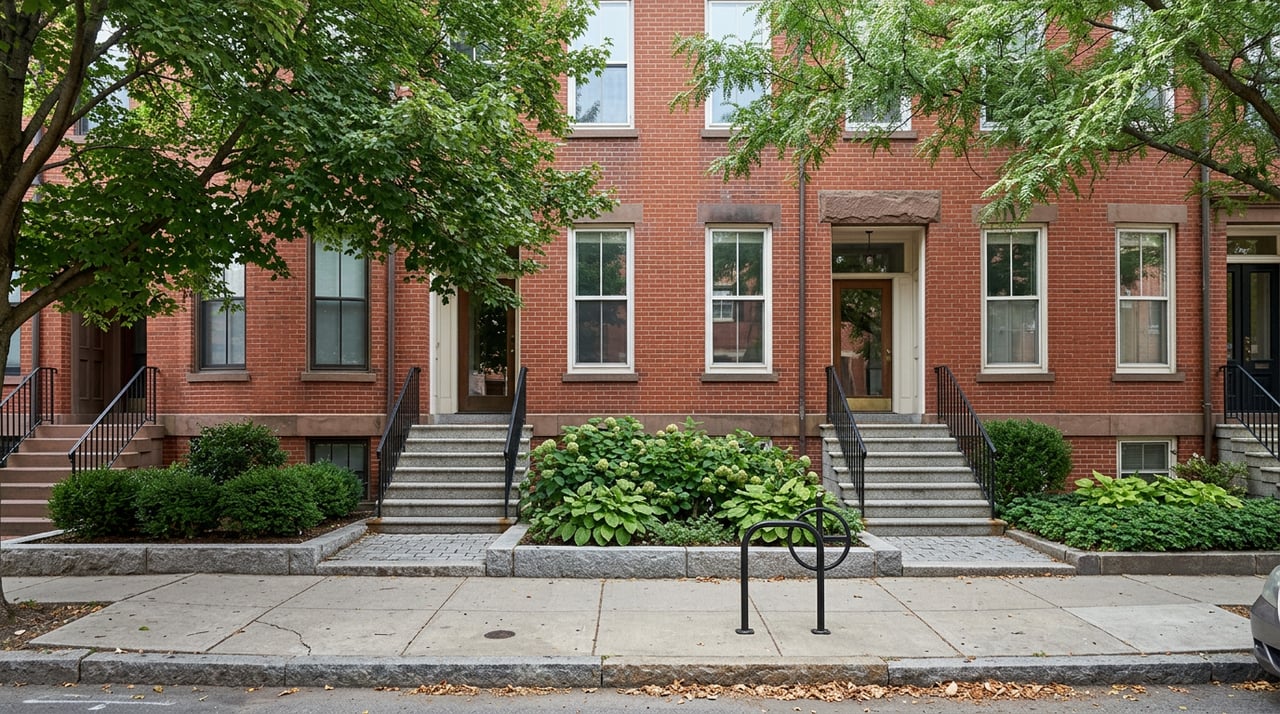
- Condos and townhomes: Focus on the main living area, kitchen-to-living flow, and a staged balcony or patio. Good photos prevent quick pass-overs online.
- Historic homes: Use period-appropriate styling with neutral tones so the architecture shines. Avoid overly modern pieces that clash with the home’s character.
- Smaller footprints: Right-sized furniture and simple layouts help rooms feel larger and more functional.
When selling as-is makes sense
- You plan a meaningful price reduction to attract investors.
- Necessary repairs are extensive and you prefer speed over optimization.
- You have limited time and funds, and the market is hot enough to deliver acceptable offers without staging.
- You aim to sell to a specific investor who will handle renovations.
Simple ROI math you can use
Two quick calculations help you decide:
- Break-even uplift needed
- Formula: staging cost divided by asking price
- Example: $3,000 staging on a $900,000 list price equals 0.33 percent. If staging can reasonably lift the price or terms by at least that much, it may pencil out.
- Carrying cost saved
- Formula: monthly carrying costs multiplied by months saved
- Example: If your mortgage, taxes, insurance, utilities, and fees total $5,000 per month and staging shortens market time by one month, that is $5,000 saved. Add any price or terms improvement to see the full benefit.
How to estimate impact:
- Compare local staged vs. unstaged comps in your immediate area and price band.
- Look at days-on-market differences to estimate time saved.
- Combine time savings with expected price or terms differences to judge ROI.
A practical prep plan
Week 1: Consultation, punch list, and light repairs. Prioritize paint, lighting, hardware, and curb appeal. Remove bulky items and personal photos.
Week 2: Schedule staging and photography. Stage high-impact rooms plus outdoor spaces. Confirm a floor plan for online marketing.
Week 3: Install staging, deep clean, and capture photo and video. Launch to market with strong visuals and clear showing notes.
If timing is tight, prioritize consultation, quick paint touch-ups, and targeted partial staging. Virtual staging can support the photo launch.
Legal and disclosure reminders
Staging does not change your obligation to disclose known material facts. In Massachusetts, confirm requirements like lead paint disclosures for pre-1978 homes and smoke and carbon monoxide detector compliance. If the home uses a private septic system, discuss Title V status with your agent and attorney. Avoid using staging to conceal defects.
How Eileen adds hands-on value
A careful staging plan works when it is tailored to your exact street, price band, and target buyer. Eileen provides on-site walkthroughs, a prioritized plan, and a mix of your pieces with curated rentals to manage cost. She coordinates light cosmetic updates, organizes decluttering, and styles for photography and showings. She also aligns staging with pricing, timing, and local comps so your home competes effectively without overspending.
Your next step
If you are weighing stage or as-is, you do not need to guess. Get a local, evidence-based plan with recent comps, itemized staging quotes, and clear ROI math for your specific home. Request a Home Valuation and a tailored prep plan from Eileen Strong O’Boy.
FAQs
What does staging cost in Chestnut Hill?
- Typical ranges run from $150 to $500 for a consult, $1,000 to $3,000 for partial staging, and $3,000 to $10,000+ for full vacant staging, with monthly rentals often added.
How long does staging usually take before listing?
- Plan 1 to 2 weeks for full or vacant staging, 3 to 7 days for partial staging, and 24 to 72 hours for virtual staging after photos.
Is virtual staging enough to sell?
- Virtual staging helps photos stand out online at low cost, while physical staging works better for showings because buyers can feel scale, flow, and function.
Which rooms deliver the best ROI when staged?
- Focus on the living room, kitchen styling, primary bedroom, entry or hall, and outdoor spaces like a deck or balcony for maximum impact.
When should I sell as-is instead of staging?
- If repairs are extensive, you want a fast sale, or you plan a price strategy that targets investors, as-is can be the right call.
How do I know if staging will pay off for my price band?
- Compare staged vs. unstaged local comps, calculate the break-even uplift and carrying costs saved, and weigh that against your staging quotes and timeline.