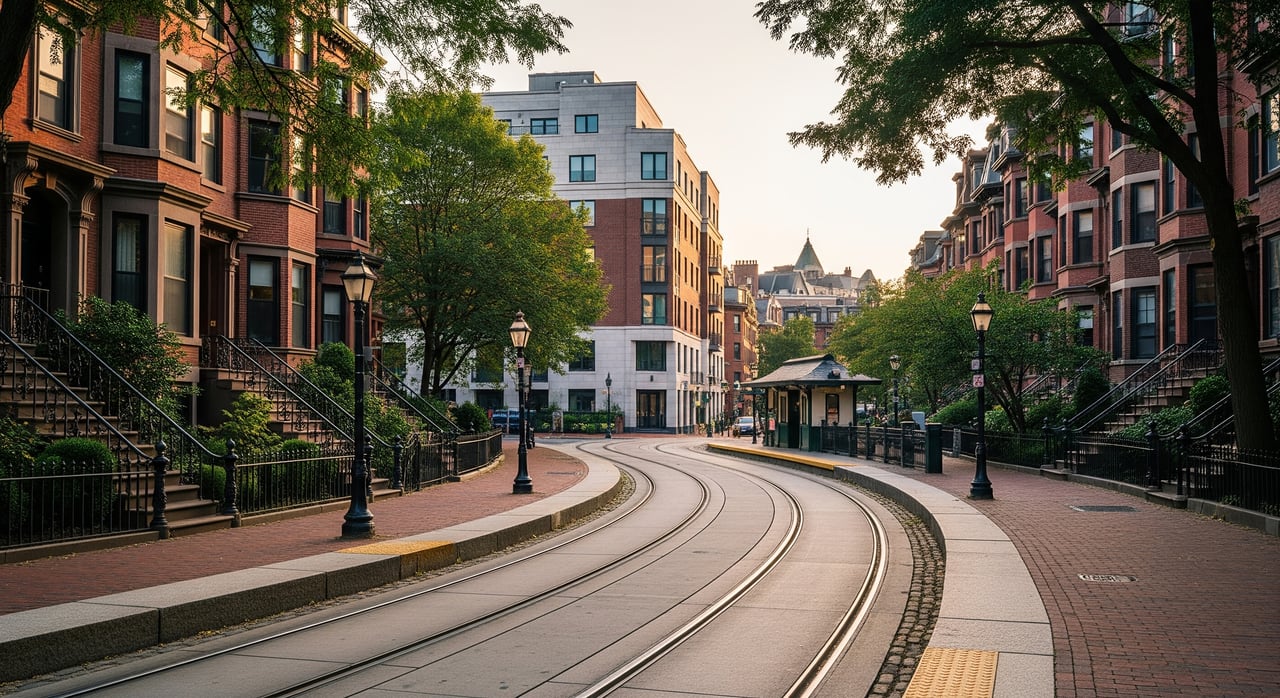
Is Washington Square on your short list, but you are unsure how inventory and pricing really work here? You are not alone. This Brookline micro-market is compact, walkable, and high-demand, which makes timing and strategy matter a lot. In this guide, you will learn how seasons affect listings, what drives price for each property type, and how to plan a confident move as a buyer or seller. Let’s dive in.
Why Washington Square draws buyers
Washington Square is one of Brookline’s most walkable commercial and residential nodes. You get neighborhood restaurants, cafes, and services, plus short commutes into Boston. Transit access to the Green Line and bus corridors adds everyday convenience for professionals and families.
Housing here skews toward older, character-rich buildings with modern updates. You will see condominiums in converted Victorian and early 20th-century buildings, two to four family homes on smaller lots, and a limited number of single-family homes and townhouses. Newer infill appears in select pockets, but it is not the dominant stock. That mix, combined with limited land for big redevelopment, keeps supply tight and demand steady.
Families also value Brookline Public Schools. School reputation can shape buyer priorities and pricing, so homes near daily conveniences often rise to the top of the list.
What inventory looks like
Baseline demand in Washington Square runs higher than many outer suburbs. Inventory tends to stay lean, which makes even small changes in listing counts matter.
- Condos turn over more frequently than single-family homes.
- Multifamily properties can sit longer when pricing overshoots investor thresholds.
- Small dips in inventory can trigger stronger competition for well-located, updated units.
Seasonal rhythm
Greater Boston and Brookline follow a predictable cycle that Washington Square mirrors closely.
- Spring, March through June, is peak season. New listings surge, buyers are active, and well-priced homes can attract multiple offers.
- Summer, July through August, remains busy but slightly calmer. Many buyers time moves around the school calendar.
- Fall, September through November, brings a second wave of activity with moderate inventory and a bit more breathing room on pricing.
- Winter, December through February, has the lowest listing counts. Serious buyers and sellers stay in play, days on market can stretch, and well-priced homes still sell.
By property type
- Condominiums: The most common listing type, with steady turnover. Updated, move-in-ready units often sell fastest in spring and early fall.
- Two to four family homes: Draw both investors and owner-occupants. Time on market depends on income potential, condition, and financing strategy.
- Single-family and townhouses: Rarer and often in demand from buyers seeking private outdoor space and longer holds. These can move quickly when priced to the most recent comps.
Pricing basics by property type
Every figure in Washington Square depends on property type, size, and condition. Treat the following as a practical framework, not fixed prices. Your agent should pull current data for a 30 to 90 day window before you make offers or set a list price.
Entry condos
Typically smaller one-bedroom units in older conversions with modest amenities. These appeal to first-time buyers and investors focused on location and monthly costs. Pricing sensitivity is high if condo fees are elevated without services to match.
Mid-range condos
Often one to two bedrooms with renovated kitchens and baths on desirable blocks near the commercial core. These attract professionals and downsizers who want turnkey living. Proximity to transit and retail, plus tasteful updates, tends to command a clear premium.
Larger condos and townhouses
Two to three bedrooms, often with renovated interiors, in-unit laundry, and some outdoor space. Garage or off-street parking increases both buyer pool and value. These units appeal to households looking for space without jumping into a single-family price.
Two to four family homes
Valued by both investors and owner-occupants who want flexibility. Investors focus on cap rate, rent levels, and vacancy assumptions. Owner-occupants weigh school proximity, long-term stability, and the responsibilities of being a landlord. Condition, unit mix, and lot size drive spread between list and sale.
Single-family homes
Less common in the immediate Washington Square core and often on slightly larger lots nearby. Families prioritize yard space, parking, and long-term livability. Well-maintained systems, updated kitchens and baths, and outdoor areas support strong pricing.
What affects price most
Several features consistently move price in this micro-market:
- Location near the commercial node and transit access.
- Renovation quality and modern mechanicals.
- Presence of off-street parking and usable outdoor space.
- Building condition, reserves, and condo fee value for condominiums.
- School appeal for households planning longer stays.
List price strategy matters. Updated condos and well-presented homes that are priced to recent comps often meet or exceed list in active seasons. Properties that need work or overshoot the market usually trade with concessions or require adjustments.
Financing and time to close
Buyer financing can shape your timeline. Many condo buyers use conventional or FHA financing, and condo certification requirements can affect speed to close. Multifamily purchases may lean investor financed or cash, which can shorten contingencies but raise scrutiny on rent rolls and operating expenses.
If you are buying, confirm your lender can underwrite the specific building type. If you are selling, prepare documents early. Clear condo budgets, reserves, and any special assessments give buyers confidence.
Buyer playbook for Washington Square
You will compete for the best listings, especially in spring. A clear, step-by-step plan helps you move quickly without overreaching.
- Get fully underwritten pre-approval before touring. This signals strength in multiple-offer situations.
- Focus your search criteria on must-haves. Transit convenience, parking, and layout are the features most buyers prioritize here.
- Evaluate total monthly cost. Look closely at condo fees, reserves, and likely near-term improvements.
- Price by condition, not just square footage. Updates and modern systems carry outsize value in older buildings.
- Consider inspection risks common to older properties. Ask about HVAC, electrical and plumbing updates, water intrusion history, roof age, foundation, and any lead paint records.
- Watch for seasonal timing. If you miss out in spring, fall can provide another window with less frenzy.
Seller playbook for Washington Square
With lean inventory, presentation and pricing are the levers that maximize outcomes.
- Prep to the market, not beyond it. Tackle high-ROI updates like paint, lighting, hardware, and light kitchen and bath refreshes.
- Stage to highlight space and flow. Professional staging, high-end photography, and curated open houses help you reach the broadest pool.
- Price to recent, hyperlocal comps. Anchor to 30 to 90 day data on days on market, list-to-sale ratio, and price per square foot by property type.
- Make parking and outdoor space shine. Even a well-arranged balcony or a tidy shared yard can move the needle.
- Get documents in order early. Condo budgets, reserves, and maintenance records reduce friction during underwriting.
- Consider private listing exposure. Select off-market strategies can generate qualified interest while you finish prep.
The metrics that matter
Micro-markets like Washington Square shift quickly. Ask your agent to pull these numbers before you act:
- Active and new listings for the past 30 and 90 days
- Median and average sale price for 30, 90, and 180 days
- List-to-sale price ratio, median
- Days on market, median
- Months supply of inventory
- Sale volume by property type
- Price per square foot for condos and comparable properties
- Pending sales count and back-on-market events
These metrics help you set clear expectations on timing, competition, and negotiation room.
What to watch next
A few signals can tilt inventory and pricing in the near term:
- Months supply trend. Rising supply can ease pressure on buyers, while dips often tighten competition.
- Pending sales momentum. Strong pendings indicate robust demand and support firmer pricing.
- Local development or zoning updates. New permits and conversions can add units and expand choices.
- Mortgage rate changes. Shifts in rates impact affordability and the pace of multiple offers.
- Transit or parking policy updates. Service changes or parking rules can influence buyer priorities.
How Eileen helps you move with confidence
Washington Square rewards preparation, precise pricing, and polished presentation. With deep, neighborhood-rooted insight and hands-on execution, you can make your next move with clarity.
If you are buying, you will get timely alerts, private-showing access when available, and guidance on building-level nuances. If you are selling, you will benefit from white-glove staging, professional photography, curated open houses, and the option of private listing exposure when it serves your goals.
Ready to talk strategy for your home or search in Washington Square? Connect with Eileen Strong O'Boy for a tailored plan and a clear path forward.
FAQs
How fast do homes sell in Washington Square?
- Competitive, turnkey units tend to sell faster in peak seasons, while homes that need updates or overshoot buyer budgets can take longer; use recent days-on-market data for precise timing.
When is the best time to list in Washington Square?
- Spring usually brings the most buyers and new listings, with a second active window in early fall; winter can still work for motivated sellers with well-priced homes.
What features drive price the most in this micro-market?
- Proximity to the commercial node and transit, quality of renovations and systems, parking and outdoor space, and overall building condition have the greatest impact.
How important is parking in Washington Square?
- Very important for many buyers, and it often commands a premium; some buyers accept street parking based on lifestyle, but off-street parking broadens demand.
What should condo buyers review besides the unit itself?
- Look closely at condo fees, reserves, budgets, pending assessments, and building maintenance history to understand total monthly cost and potential future work.
Are investors active in Washington Square?
- Yes, especially for two to four family homes and certain condos; investor appetite depends on rent levels, cap rates, and vacancy expectations.
What inspection issues are common in older buildings here?
- Be alert to HVAC, electrical, and plumbing updates, water intrusion history, roof and foundation condition, and any lead paint records.