You want your Chestnut Hill home to shine, but where should you spend your time and budget to make the biggest impact before listing. The answer depends on how buyers move through your home and what they expect from this neighborhood’s mix of historic character and modern convenience. In this guide, you will get a clear, room-by-room plan with practical steps at low, medium, and higher cost levels, plus timelines to keep you on track. Let’s dive in.
What Chestnut Hill buyers notice
Chestnut Hill spans Newton, Brookline, and Boston and blends historic architecture with newer luxury builds. Buyers look for homes that respect period details while delivering modern function. That means your staging should prove scale in formal rooms, highlight an updated and usable kitchen and baths, and present a restful primary suite.
First impressions matter here. Focus early on curb appeal, the entry, main living areas, kitchen, and primary suite. These spaces lead in buyer impact and set the tone for the rest of the tour and the photography.
Curb appeal and entry
A strong exterior sets price expectations before buyers step inside.
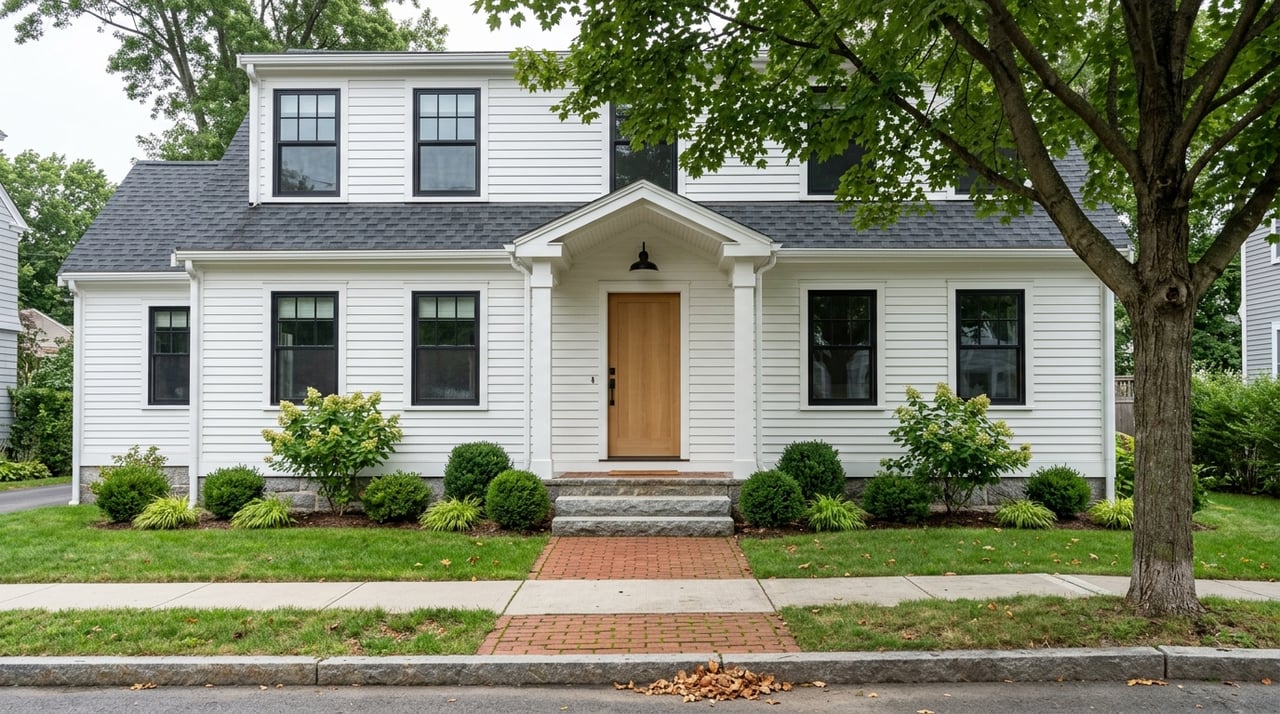
- Low-cost: mow and prune, pressure-wash paths, add fresh mulch or planters, clean gutters, and replace burned-out bulbs. Refresh house numbers and mailbox for a crisp look.
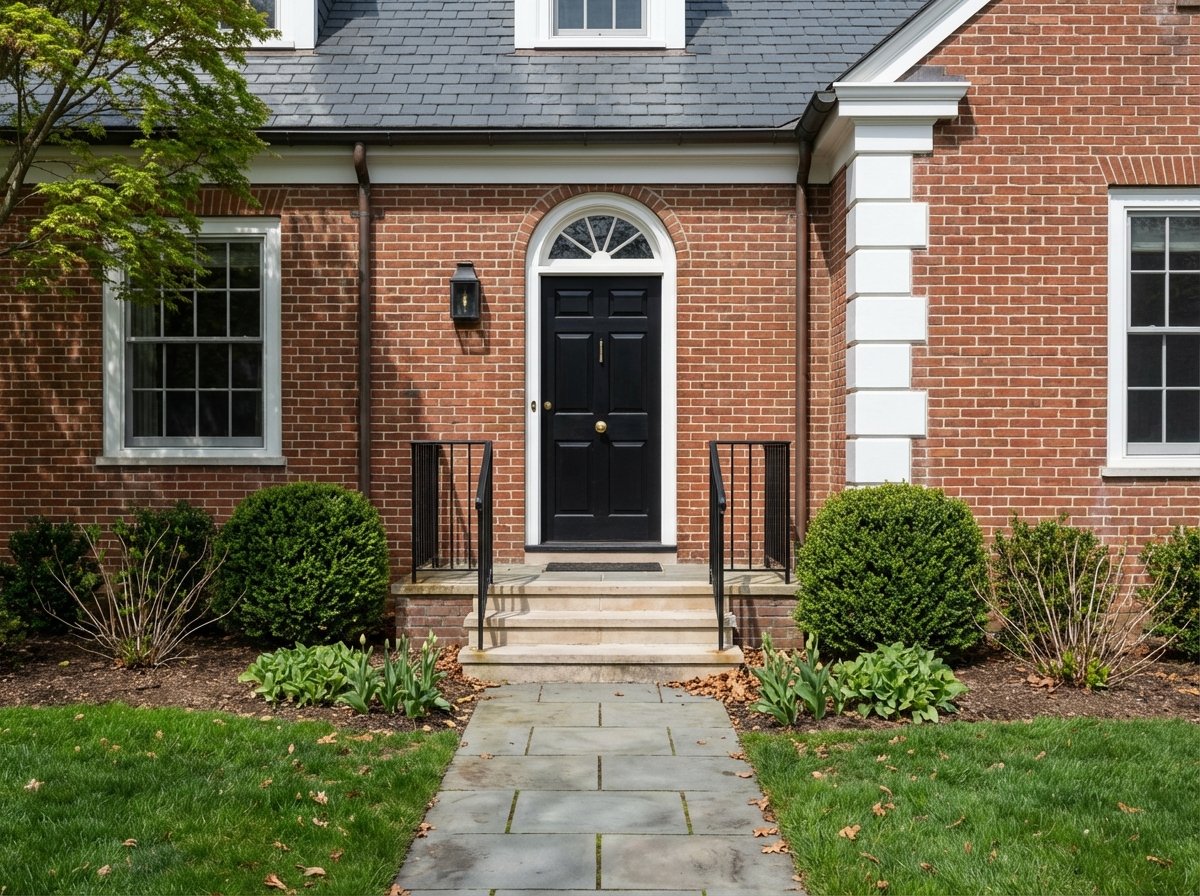
- Mid to higher cost: repaint the front door, update exterior fixtures, repair railings or steps, and consider seasonal landscaping for color and texture.
- Historic note: keep period-appropriate hardware and lighting where possible. If you repaint the door, choose a color that suits the era.
- Photo tip: plan exterior photos for golden hour or twilight and keep cars out of the driveway.
Entry foyer
Your foyer should communicate flow, scale, and care.
- Low-cost: declutter coats and shoes, add a runner for warmth and sound, and hang a mirror to bounce light. A small table with a simple seasonal vignette works well.
- Mid-cost: refinish or repaint trim, repair or replace a worn stair runner.
- Historic vs. new: showcase original stairs and millwork in period homes. In newer builds, emphasize clean lines and storage solutions.
Living and family rooms
These rooms set the emotional tone and show how the home lives.
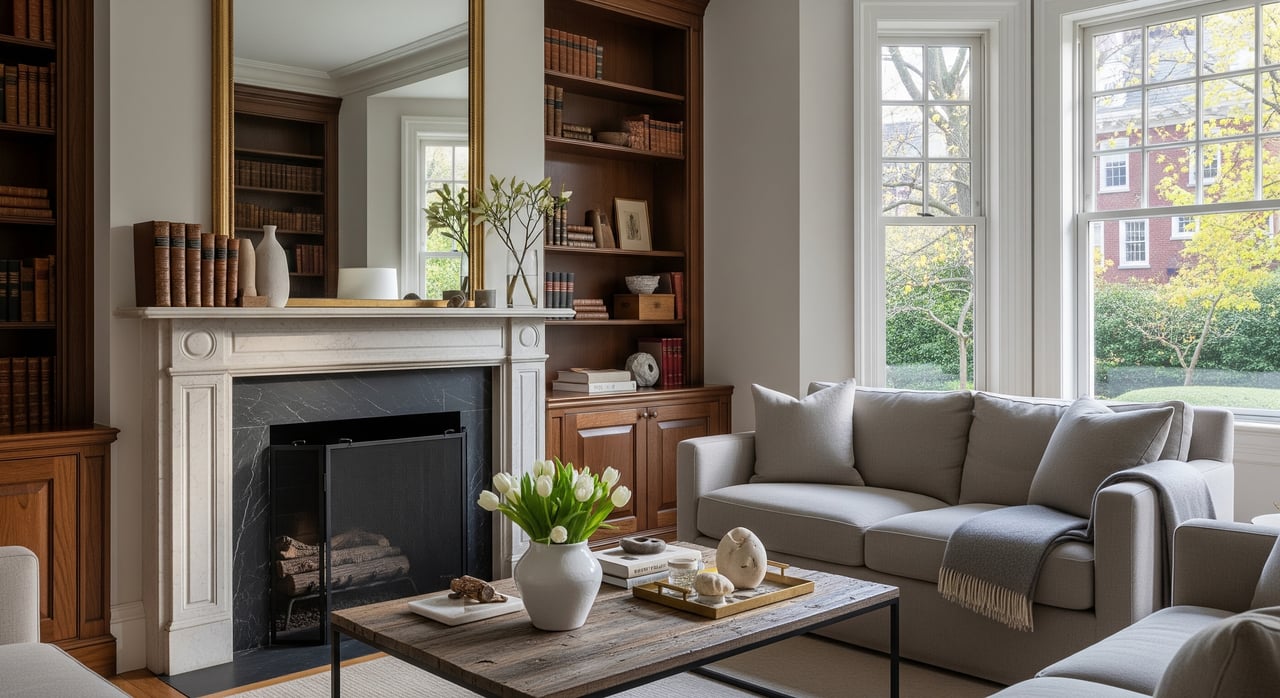
- Low-cost: remove personal photos, choose neutral textiles, and place lamps to layer light. Add simple art and a healthy plant for life and color.
- Mid to higher cost: replace oversized or undersized pieces with right-scaled furniture, rent select items for showings, and clean upholstery professionally.
- Layout: arrange seating to create natural conversation zones and clear walkways. Emphasize the fireplace or another architectural focal point.
- Historic note: keep mantels, moldings, and original floors visible. Avoid heavy rugs that hide character unless needed to cover wear.
Dining room
Formal dining is often expected in period homes across Chestnut Hill.
- Low-cost: edit down to one cohesive set of chairs if possible. Set a simple table with a runner and a single focal piece.
- Mid-cost: repaint in a warm neutral that flatters wood tones and update or clean the chandelier. Balance bulb brightness with natural light.
Kitchen first
Kitchens often move the needle most. Buyers scan for function, finishes, and signs of recent care.
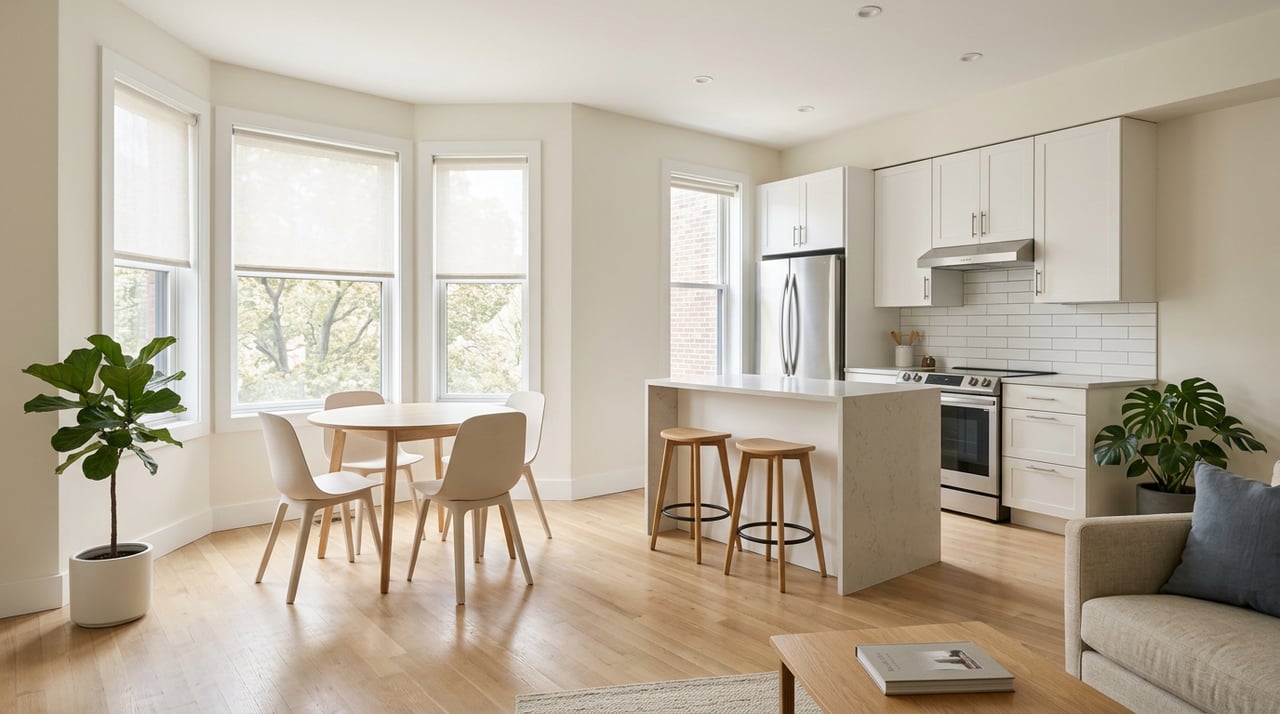
- Low-cost: deep clean every surface. Caulk gaps, swap in modern cabinet hardware, switch bulbs to daylight where appropriate, and clear counters to a few quality items. Remove fridge magnets and clutter.
- Mid-cost: paint cabinets in a neutral shade, update a dated backsplash, install modern light fixtures, and replace worn faucets or hardware.
- Higher cost: partial refresh with refinished cabinets, new appliances, and flooring repairs if needed.
- Historic homes: keep character touches, such as glass-front cabinets, but show modern function with coordinated small appliances and organized storage.
- Luxury kitchens: spotlight high-end appliances, use restrained, upscale styling, and plan for professional lighting on photo day.
Primary suite
Buyers want a calm, well-scaled retreat with clear storage.
- Low-cost: use high-quality neutral bedding, layered pillows, and a throw. Clear bedside tables to a lamp and one or two books. Open curtains for maximum natural light.
- Mid to higher cost: repaint walls in a soft neutral, update lighting and hardware, and add closet organizers to improve function.
- Luxury touch: stage a small sitting area or quiet workspace if size allows. Highlight en-suite features with fresh towels and thoughtful styling.
Secondary bedrooms and flex spaces
These rooms should show clear purpose and flexibility.
- Low-cost: depersonalize and convert cluttered or single-use rooms into staged bedrooms or a simple office, depending on your layout.
- Mid-cost: repaint in warm neutrals and replace tired carpet or refinish floors.
- Office demand: set a desk, ergonomic chair, and task lamp with minimal accessories to suggest productivity.
Bathrooms that reassure
Clean, bright bathrooms signal good maintenance.
- Low-cost: recaulk and regrout as needed, replace shower curtains or consider a glass door if it fits the space, and set out fresh white towels. Use updated soap dispensers and keep counters clear.
- Mid-cost: replace dated mirrors or lighting and update vanity hardware. Repaint with a moisture-friendly finish.
- Higher cost: reglaze the tub, update counters, and replace tired flooring, starting with the primary bath.
Mudroom, laundry, and garage
Practical storage and entry points matter for daily life and commuting.
- Low-cost: declutter, add labeled baskets, and hang sturdy hooks. Keep floors clear.
- Mid-cost: install a simple built-in bench or wall of hooks, paint concrete floors, and add modular shelving.
- Garage: clear boxes to show parking and storage. Good lighting helps buyers see potential.
Basement, attic, and systems
Condition and perceived risk outweigh decor in utility areas.
- Essentials: keep spaces dry, clean, and well lit. Move stored items to show the size of the area and safe access.
- Low-cost: run a dehumidifier, label utilities clearly, and patch minor cosmetic issues. Provide visible records of recent HVAC or system service.
- Safety: do not block egress. If areas are used for living, confirm they meet code, or stage and label as storage.
Outdoor living
Usable outdoor space is a differentiator in higher price tiers.
- Staging: set tidy outdoor furniture, add planters, and string simple lighting. Keep it minimal and inviting.
- Seasonal notes: in spring, highlight landscaping and lawn care. In winter, clear snow and ice, add warm lighting at the entry, and trim hedges for neat lines.
Budgets that match your goals
Right-size your spend to your home and price tier.
- Low budget, about 0 to 2k dollars: deep clean, declutter and donate, small repairs like loose knobs or sticky windows, paint one or two rooms, swap hardware, and bring in a few staging accents.
- Medium budget, about 2k to 10k dollars: professional staging for key rooms, kitchen refresh with cabinet paint and hardware, lighting updates, and a landscaping spruce-up.
- High budget, 10k dollars and up: full-house staging for larger or luxury listings, substantial kitchen or bath refreshes, and exterior upgrades to support premium marketing.
Listing timeline and sequencing
Keep momentum with a clear schedule.
- Immediate, 0 to 2 weeks: deep clean, declutter, donate, repair minor items, touch up paint, fix water stains, and organize closets for breathing room.
- Near term, 2 to 8 weeks: apply kitchen and bath fixes, refresh landscaping, book professional photography, and reserve staging rentals if needed.
- Longer term, 2 to 6 months: complete larger updates such as partial kitchen or bath projects or key system upgrades, and plan full-house staging if your price tier warrants it.
- Photo day: clean windows, turn all lights on, hide cords, set a comfortable thermostat, make beds, vacuum floors, and keep pets and personal items out of view. Consider twilight and aerial images if appropriate.
Photography and virtual tools
Strong visuals amplify your staging efforts.
- Photography: hire a real estate photographer who understands Chestnut Hill homes. Ask for wide-angle but realistic lenses, HDR exposure, and attention to natural light. Showcase the best angles and architectural features.
- Virtual tours: when physical staging is not practical, high-quality virtual staging or a 3D tour can help. Follow local MLS rules, and clearly label images if virtual elements are used.
- Video: a short, professionally lit walkthrough supports remote buyers and adds depth to your marketing package.
- Order of operations: complete repairs and staging before photos. Schedule for the best natural light in each room and on each facade.
Historic and condo notes
Keep local rules and building context in mind.
- Historic homes: if your property is landmarked or in a historic district, exterior changes may be restricted. Stage to showcase original features and avoid incompatible alterations.
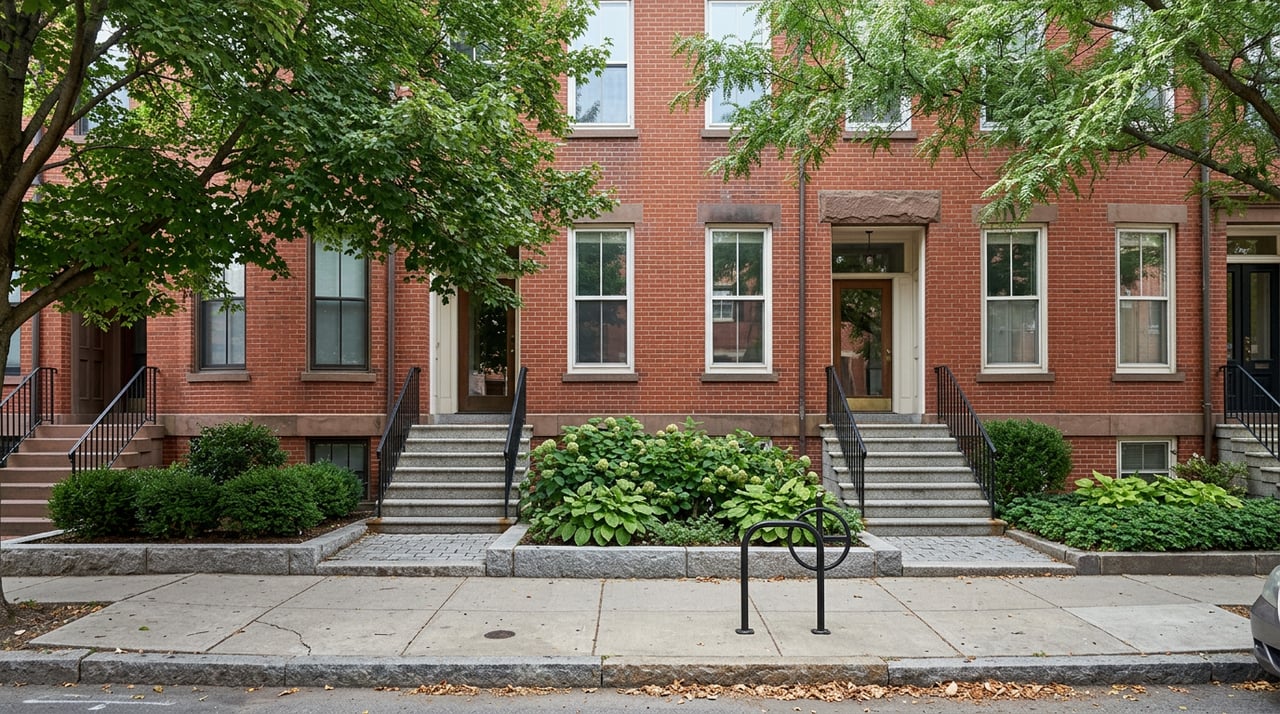
- HOA and condo: check association rules for entry decor, signage, and any requirements for common areas. Keep hallways clear and tidy for showings.
- Disclosures: comply with MLS rules for any virtual staging or digital edits. Label images as required.
- Safety and access: stage so doors and pathways stay clear for safe egress. Share alarm and access instructions with your agent before showings.
Where to focus first
Not every room carries equal weight. In Chestnut Hill, the biggest returns usually come from the kitchen, primary suite and bath, main living areas, and curb or entry. If you must prioritize, start there. Next, add polish to dining, powder rooms, mudroom or laundry, and outdoor living.
Ready to list with confidence
With a clear priority list, you can direct your time and budget to the spaces that shape buyer perception and photography. Aim for an aspirational yet attainable look that honors period character and proves modern function. If your timeline is tight, focus on deep cleaning, decluttering, paint, lighting, and a kitchen refresh.
If you want a tailored staging and marketing plan for your home, reach out to Eileen Strong O'Boy for white-glove guidance, professional photography, and a smooth launch.
FAQs
What rooms should I stage first in a Chestnut Hill home
- Start with the kitchen, primary suite and bath, main living area, and curb or entry, since these have the highest buyer impact and drive photo appeal.
How much should I budget for staging a typical listing
- Many sellers see strong gains at the 2k to 10k dollar level, which covers key-room staging, kitchen refresh, lighting, and landscaping, with scope adjusted to your home.
How do I stage a historic home without losing character
- Preserve original features like millwork and mantels, use period-appropriate hardware and colors, and add modern function through lighting, storage, and a clean, neutral backdrop.
Is virtual staging acceptable for Chestnut Hill listings
- Yes, when physical staging is not practical or to complement vacant rooms, as long as you follow local MLS rules and clearly label any virtually staged images.
What is the best timing to list in New England
- Spring typically brings higher buyer activity, but well-staged and well-photographed homes perform year-round if you adapt for the season, such as snow removal and warm lighting in winter.